
In Florida, managing indoor temperatures is not just about summertime cooling. Even during February, the days can swing between chilly mornings and warm afternoons. Having an HVAC system that keeps up without constant adjustment makes a difference. This is where smart thermostats come in. They can help take the guesswork out of temperature control and help keep homes comfortable no matter what the weather is doing outside. Early spring in Florida can feel unpredictable, but smart technology makes staying comfortable a lot steadier.
We often get questions about whether switching to a smart thermostat is worth it. The timing actually matters, and late winter is often the ideal moment to make a change. Some days require heat; others call for quick cooling. Smart thermostats adapt better to that back-and-forth than traditional ones can.
What Does a Smart Thermostat Actually Do?
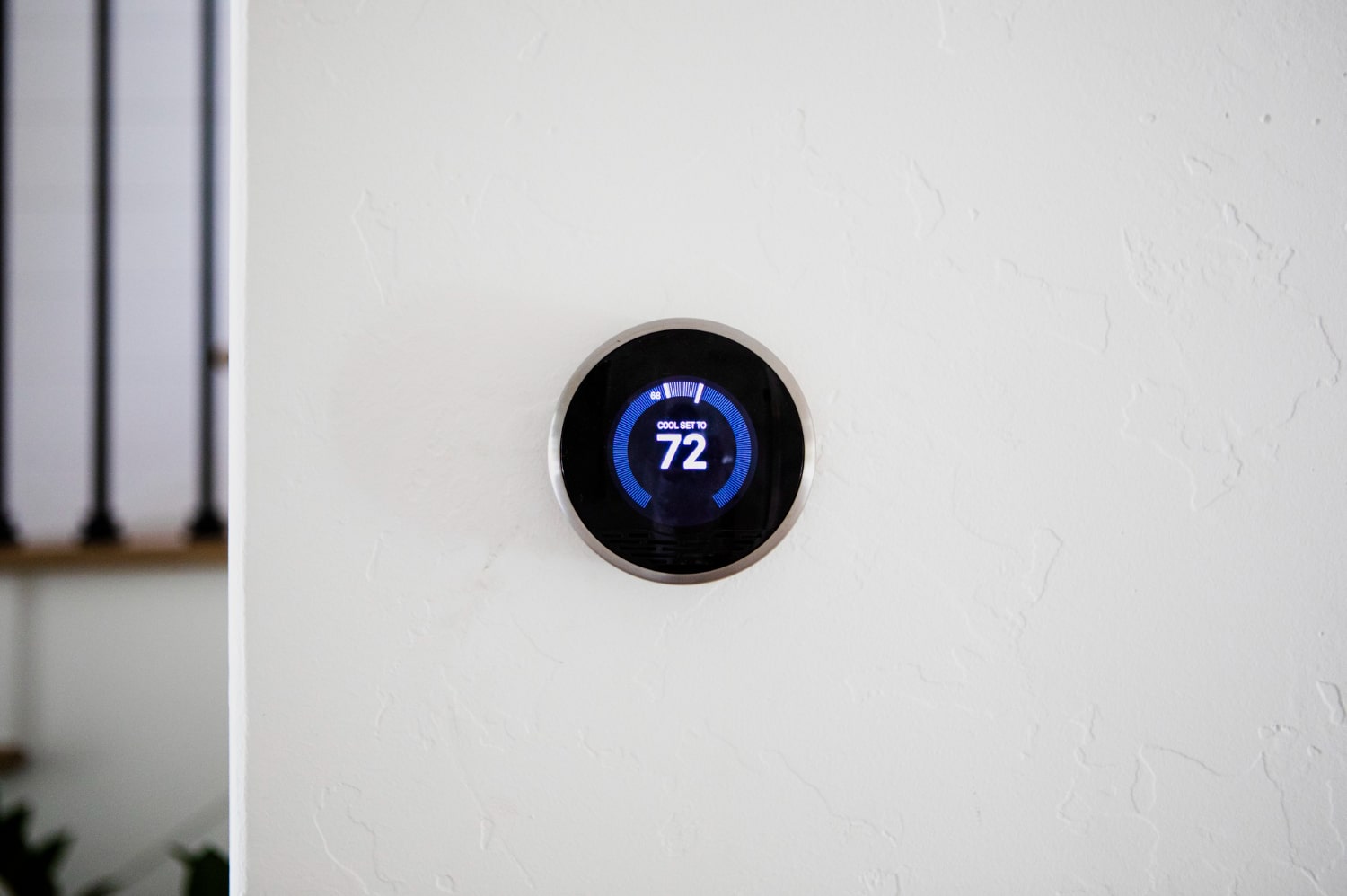
A smart thermostat is more than just a programmable control. It is made to learn and respond to your habits so that your home stays comfortable without you constantly managing it. Once installed, it starts studying when you wake up, leave the house, or go to bed, then adjusts climate settings on its own.
- Connects to a home’s Wi-Fi so users can adjust temperatures from an app
- Works with voice controls and scheduling tools through phone or smart home systems
- Offers real-time reports on how the HVAC system is performing
Over time, it notices patterns and starts adapting on its own. That means even if you forget to adjust the setting in the morning, the smart thermostat probably already did it for you.
How Smart Thermostats Help Handle Florida’s Changing Weather
Florida does not stay cold for long. By early February, temperatures can climb in the middle of the day, then dip again at night. That kind of movement can trick a standard thermostat into overcooling or overheating your home. Smart thermostats keep up through every small shift.
- Adjust to temperature and humidity swings quickly, especially on warm or humid afternoons
- Track air quality and help extend system life during allergy season or rainy days
- Keep indoor temps steady, even when it feels just slightly off outdoors.
For homes where seasonal allergies are an issue, these thermostats also work well alongside indoor air quality services to improve comfort through cleaner airflow.
With these systems, you do not have to choose between sweating mid-afternoon or bundling up overnight. The thermostat balances indoor comfort automatically, often in real time.
Can Smart Thermostats Help Lower Energy Costs Without Sacrificing Comfort?
Comfort does not have to mean higher bills. This is another reason Florida homeowners are turning to smart thermostats. The way we use energy often depends more on habits than weather, and this technology helps us see and shift those habits.
- Detects when no one is home and avoids unnecessary heating or cooling
- Sends alerts when it is time to change filters or check the system
- Collects usage trends to show how long the system is running and why
We have seen how helpful that tracking can be. When you know what is driving your monthly bill, it is easier to adjust settings without making the house uncomfortable. To get ideas on how thermostats work smarter, check out these energy-saving thermostat tips.
What to Know Before Installing a Smart Thermostat
Not every HVAC system is a perfect match for every smart thermostat. Depending on the age and wiring of the equipment, some may need an adapter or upgraded components. Before installing new technology, we always recommend compatibility checks.
Professional installation helps make sure the setup runs smoothly and that the thermostat is placed in the best spot, such as away from direct sunlight or vents that could throw off readings.
- Older heating and cooling systems may need an updated connection before installation.
- Thermostat location matters; avoid walls near windows or warm appliances.
- For more help with setup, explore our professional HVAC installation services for system matching and planning.
When everything fits and is set correctly, the system works better and stays accurate longer.
Are Smart Thermostats Easy to Control for All Ages?
Modern smart thermostats are built with simplicity in mind. Large touchscreens, easy menu designs, and mobile control all make the system more usable across households. You do not have to be tech-savvy to benefit from their features.
- Most models use clear displays with big buttons and step-by-step guides.
- Remote access allows more than one person to manage the settings.
- Manual control is always an option when needed.
That kind of flexibility makes smart thermostats a good fit for families where preferences may differ or for multi-generational homes where ease of use matters.
More Control, Less Guesswork: Why It Pays to Stay Ahead of Indoor Comfort
Smart thermostats give us more choices without more effort. In a Florida home, where cool mornings can quickly turn warm, being able to adjust temperature settings from anywhere matters. It helps reduce stress on the HVAC system and keeps comfort levels steady all day long.
As winter fades and early spring rolls in, these thermostats make sense for year-round control. Between learning patterns, reducing energy waste, and balancing humid days, it is easier to stay comfortable without adjusting the thermostat every few hours.
FAQs
What is the difference between a regular and a smart thermostat?
Smart thermostats can be controlled by phone or voice, learn your habits over time, and adjust heating or cooling automatically.
Do smart thermostats work with any HVAC system?
Some older systems might need new wiring or slight changes, so it is best to have compatibility checked before installation.
Can smart thermostats help improve indoor air quality?
Yes. Many can track humidity and remind you to change air filters, which supports cleaner air. Learn more about indoor air quality and HVAC systems.
Are smart thermostats hard to use for older adults?
Most are designed with large buttons, easy interfaces, and simple apps to make them easier for all ages.
Do I need Wi-Fi to use a smart thermostat?
Yes. A Wi-Fi connection is required for mobile control, live updates, and access to scheduling features.
How long does it take for a smart thermostat to learn my routine?
They usually need a few days to begin adapting and will keep learning as your habits change.
Can I override the programmed settings?
Yes. You can always set the temperature manually or use your phone to change it right away.
Do smart thermostats work with voice assistants like Alexa or Google Home?
Most models do. You can use voice commands to raise or lower the temperature from anywhere in the room.
Will a smart thermostat still work if the internet goes out?
It will still heat or cool the home using its last settings, but you will not be able to control it remotely until the signal returns.
How do I know if my smart thermostat is saving energy?
Most have an app or display that shows your usage trends, giving you insight into how your settings affect energy use.
Upgrade your home’s efficiency and comfort effortlessly with smart thermostats. At Roman Air Cooling and Heating, we specialize in helping Florida homeowners take full advantage of this smart technology. Whether you’re managing unpredictable weather or looking to lower energy costs, our team is ready to ensure a seamless installation so you can enjoy modern climate control. Contact us to transform your indoor experience today with expert guidance and service that caters to your home’s unique needs.