

When your AC in Florida stops cooling, things can get uncomfortable fast. Hot air blowing from your vents when you’re expecting cool relief can make even the simplest tasks inside feel miserable. That sticky heat doesn’t take long to settle in, especially during Florida’s extended summer season. Whether your house feels a few degrees warmer than it should or your system isn’t putting out any cool air at all, there are a handful of possible causes worth checking.
Some problems are small and easy to overlook. Others might need help from a professional, but either way, it’s good to have an idea of what could be wrong. Sometimes it’s something as simple as a thermostat setting or dirty filter. Other times, it might be more serious, like a refrigerant leak or electrical issue. Let’s go through some things you can check when your air conditioner quits cooling like it should.
Check Your Thermostat
It might sound too simple, but the thermostat is always the first thing you should look at. Settings can get changed by accident, batteries can die, or the display can stop working entirely. If your air conditioning isn’t cooling, make sure the thermostat is turned to cool and not heat or off. That happens more often than most people think, especially when swapping between seasons.
Next, look at the set temperature. Make sure it’s set lower than the actual indoor temperature. If your thermostat says it’s set at 75 but the room is already at 72, your AC won’t be running. It thinks your home is already cool enough. Also, check if the fan is set to on or auto. Having it set to on might mean the fan keeps running, even when the system isn’t actively cooling. That can fool you into believing the AC is working when it’s just blowing room-temperature air.
Some common thermostat issues to consider:
– Display is blank or unresponsive (batteries may be dead)
– Incorrect programming for your daily schedule
– The unit is installed in a bad location, like next to a window or heat-producing appliance
Fixing or replacing a faulty thermostat can quickly turn things around. Still, if the display is working fine and the settings all look right, your AC problem may be elsewhere.
Inspect Air Filters
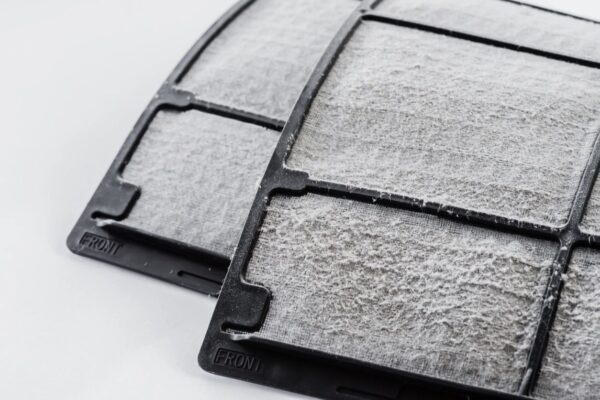
Dirty air filters are one of the most common reasons air conditioners stop cooling well. If the filter is clogged up with dust and debris, the airflow through the system is reduced. That makes it harder for your AC to push cold air throughout the house. Plus, the system has to work harder, which can lead to bigger problems down the line.
Checking your filter is easy. Most are located near the return air duct or inside the air handler. Pull it out and take a look. If it’s gray, covered in dust, or you can’t see through it when you hold it up to the light, it’s time to swap it out.
Here’s what to know:
– Replace your air filter every 1 to 3 months, depending on how quickly it gets dirty
– If you have pets or allergies, you might need to change it more often
– A clogged filter can freeze up your AC coils, which can stop cooling altogether
If your filter looks good and airflow still feels weak, the issue could be farther along in the system. But if it’s clearly dirty, replacing it might solve the problem without needing another step.
Examine Outdoor Unit
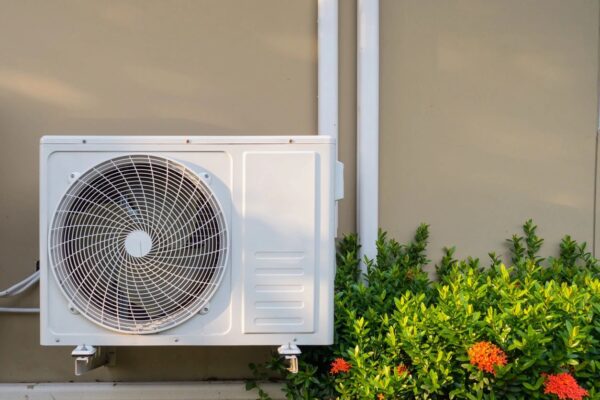
Step outside and take a look at your AC system’s outdoor unit. This is the part that houses the compressor and condenser coils, and it’s meant to release heat pulled from inside your home. If something’s blocking it or the coils are caked with dirt, your system will struggle to get rid of that heat and your AC won’t cool properly.
Here’s what you can do:
– Clear away leaves, grass clippings, and other plant matter from around the unit
– Make sure there’s at least two feet of clearance on all sides
– Look for any signs of damage, like bent fan blades or crushed fins
Sometimes, coils can freeze over or accumulate grime that puts stress on the compressor. If you notice ice or hear unusual noises coming from the unit, it’s time to stop using it and call in help. Trying to run it like that could make things worse.
Keeping the outdoor part of your system clean and unobstructed helps everything inside work better. It’s easy to forget about it, especially if it’s out of sight. But in Florida’s humid climate, debris can build up quickly, so it’s good to check now and then.
Review Electrical Components
If your thermostat and filters seem fine but the AC still isn’t cooling, it’s time to think about the electrical components. Start by checking the circuit breakers or fuses related to your AC unit. A tripped breaker or blown fuse could be the simple reason your air conditioner isn’t running correctly. Go to your breaker panel and see if any breakers have flipped to the off position. If they have, flip them back to on and see if that solves the issue.
Pay close attention to any signs of faulty wiring. For instance, wires that look burnt or connections that seem loose could be warning signs. These are not do-it-yourself situations, so don’t try to handle them without proper skills and tools. Old or damaged wiring can be dangerous and needs professional attention. If your home experiences frequent power surges, installing a surge protector might be a good prevention strategy for protecting your AC.
Look for Refrigerant Leaks
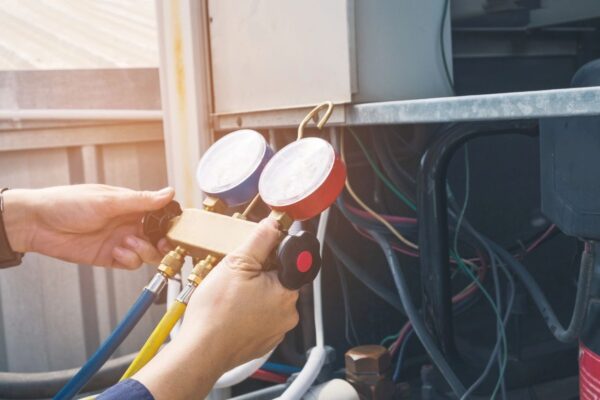
Refrigerant is crucial for cooling your home, and a leak can seriously disrupt how well your AC cools. Common indicators of a refrigerant leak include hissing sounds or visible ice on your unit’s coils. If these signs appear, it’s a good idea to have an HVAC professional check and replenish the refrigerant. It’s important because refrigerant isn’t something that gets consumed over time. Low levels suggest a leak, which needs proper repair.
Leaking refrigerant not only affects cooling efficiency but can also harm the environment. Leave this to the experts who have the necessary tools to safely handle and fix refrigerant issues. Getting it checked ensures your AC runs efficiently and helps extend its life.
Ensure Proper Drainage
An often-overlooked factor is drainage. Your AC doesn’t just cool the air but also removes humidity. For this, it relies on a condensate drain to channel moisture away. When this gets clogged, your AC can start leaking water or producing musty odors, indicating improper drainage.
To prevent water damage and unpleasant smells, check the condensate pan and drain. Look for clogs or standing water, which are signs of blockage. Using a wet/dry vacuum can help remove minor clogs. For persistent problems, professional cleaning might be needed to make sure everything is flowing like it should.
Keep Your Cool with Professional Help
Remembering all these checks can be overwhelming, especially if AC issues persist. While some fixes are simple, others need a seasoned eye to ensure everything is working in harmony. Routine checks on filters, thermostats, and outdoor units can often keep problems at bay. Still, when issues pop up beyond basic troubleshooting, it’s wise to consult professionals who can offer more complete solutions.
An expert can diagnose problems quickly, going beyond surface symptoms to root causes. They bring tools and experience to handle complex repairs that keep the AC running smoothly. When comfort’s on the line, getting reliable help saves you time and stress.
If you find that your AC is still not performing as it should despite checking everything, don’t sweat it. Our team at Roman Air Cooling and Heating is ready to tackle any issues promptly. Learn more about reliable and efficient air conditioning repair to keep your home comfortable no matter how hot it gets outside. Let us handle the tough stuff so you can enjoy a cozy and cool indoor environment.