
As warmer weather starts creeping into Florida in early spring, it’s easy to overlook air conditioning upkeep. But this is actually the most reliable time to get ahead of problems before daily use begins. One often-forgotten part of routine care is coil cleaning. These coils play a big role in how efficiently your AC runs, especially when the heat starts to build. If they’re dirty, you’ll feel it in higher bills and weaker airflow. Using the right AC coil cleaner and knowing when to act keeps your system running stronger, longer.
Why Your AC Coils Matter More Than You Think
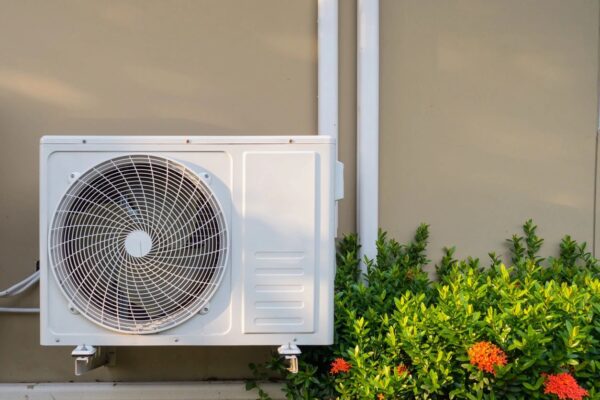
Your AC system has two types of coils: evaporator coils inside and condenser coils outside. Evaporator coils pull heat and moisture from your indoor air. Condenser coils release that heat outside. Both need to stay clean to do their jobs right.
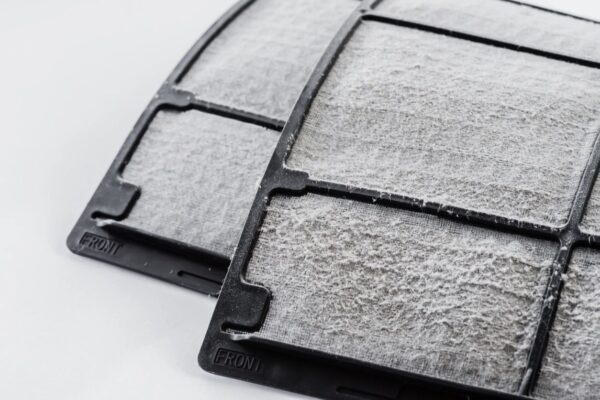
When either set of coils gets coated in dirt or dust, it messes with the whole cooling cycle. The system works harder to keep temperatures steady. That extra strain can show up as:
- Uneven cooling in rooms
- Longer cooling cycles
- Musty air or poor humidity control
If you want to dig deeper into coil performance issues and what causes them, this dirty AC coils information breaks down what happens when grime builds up. In spring, rising humidity and heavier use cause small issues to grow. It doesn’t take long for dirty coils to make the system run louder, slower, and less efficiently.
How Often Should AC Coils Be Cleaned?
Timing depends on your home and how often you use your system. In Florida, where warm air lingers through most of the year, frequent filter changes may help delay coil buildup. Still, that doesn’t replace deep cleaning.
Plan to have the coils checked and cleaned:
- At least once a year in spring, before cooling season ramps up
- More often if your home has pets, lots of dust, or is under renovation
- Especially if your AC runs nearly every day
Early spring is ideal because the weather is still manageable. You don’t have to rely on the system at full capacity, and techs can access both indoor and outdoor units without delay. It’s better to clean coils ahead of time than wait for signs of trouble during peak temperatures.
For tips on how this fits into a full system checkup, the Department of Energy has helpful air conditioner maintenance guidelines you can follow to keep everything running smoothly.
What Makes a Good AC Coil Cleaner?
Not all cleaning products are safe for your system. A good AC coil cleaner should lift dirt and buildup without hurting the metal or nearby components. You want something that works fast, won’t leave behind sticky residue, and can rinse clean without causing corrosion.
If you’re unsure what to look for, check out our full AC coil cleaner guide, which covers types, usage, and safety tips to help you understand how pros choose what works best.
The wrong cleaner can do more harm than good. Foaming products, for example, may damage coil fins or push debris deeper into the system if not properly rinsed. That’s why coil cleaning should always be handled by trained techs who know what to use and how much.
We’ve seen units fail early just from improper products or scrubbing. It’s not worth the risk. If coils are dirty, let a professional look at them and pick the right method.
When to Schedule Coil Maintenance Instead of Waiting
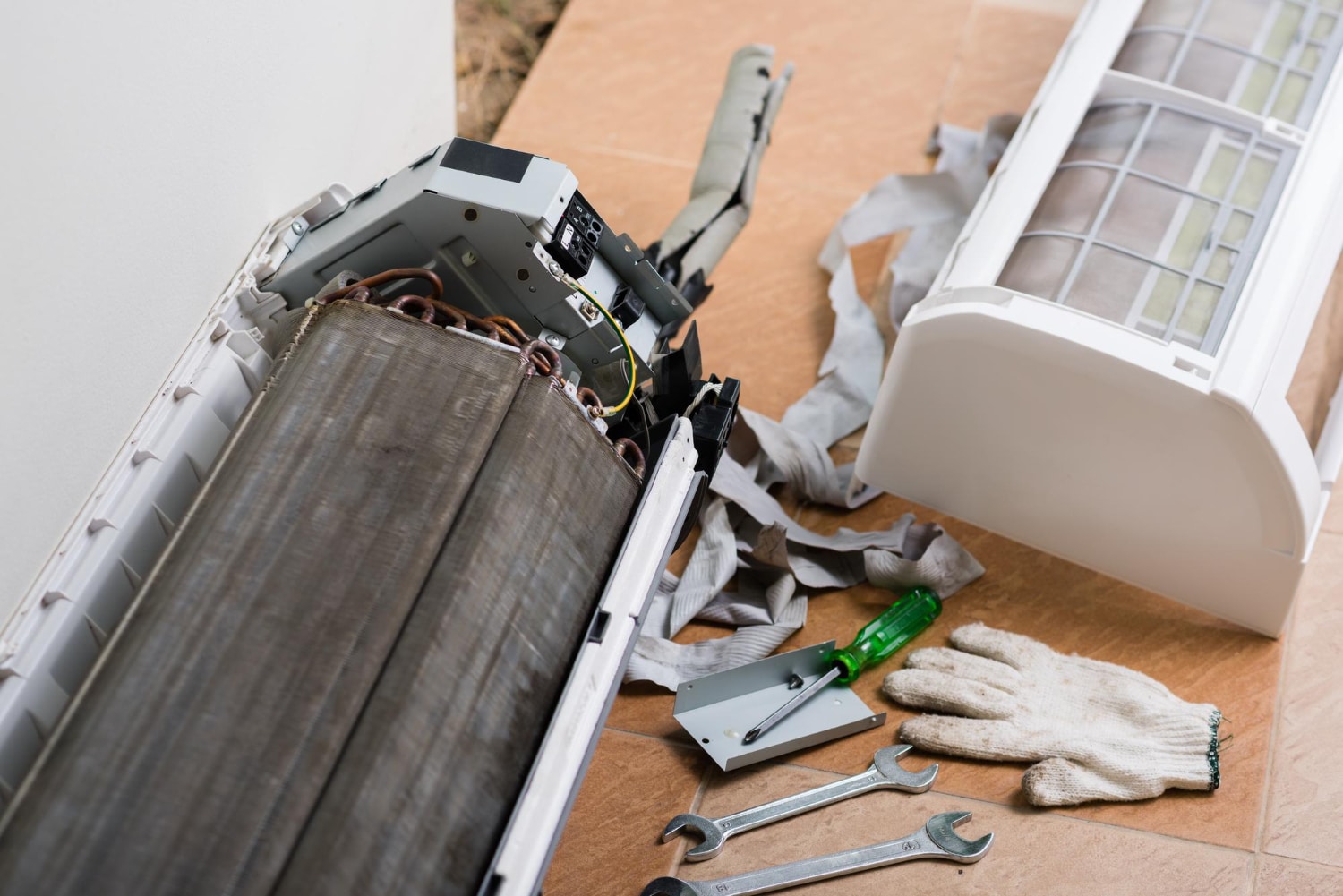
It’s easy to miss dirt on evaporator coils since they’re hidden in the air handler. But if you notice rising electric bills or weaker cooling, coil buildup could be one of the causes.
Call for service if you notice:
- Hot spots or uneven airflow throughout your home
- High humidity indoors, even when the AC is running
- More dust around vents or musty smells
- Longer cooling cycles or an AC system that runs nonstop
For anyone scheduling a full tune-up, it’s a good idea to bundle coil inspections with other professional AC maintenance services that include electrical, drainage, and refrigerant checks. We always recommend checking coils during spring inspections. It’s the right time to catch blockages or drainage issues before summer stress hits. If your system struggled last year or is older, it’s another reason to check in early.
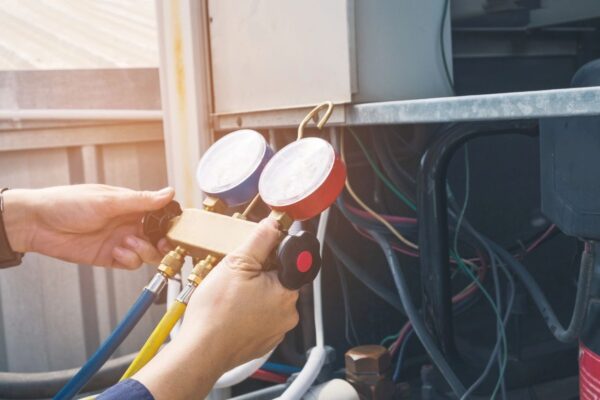
Coil checks also go hand-in-hand with other spring maintenance tasks like checking refrigerant levels, cleaning drain lines, and tightening electrical parts. Catching any of these early spares you from midsummer breakdowns.
FAQs About AC Coil Maintenance and Cleaning
How do I know if my AC coils are dirty?
You might notice poor airflow, hot spots, or rising energy bills. A professional can confirm it during a maintenance check.
Can dirty coils damage my HVAC system?
Yes. Blocked coils force the system to work harder, which can shorten its lifespan or cause it to overheat.
Do I need an AC coil cleaner if I just changed the filter?
Yes. Filters help, but they don’t stop dirt from reaching the coils over time.
Will coil cleaning help with humidity indoors?
Absolutely. Clean coils absorb heat and moisture more effectively, which helps manage humidity better during warmer months.
Is it safe to clean AC coils myself?
No. Coils are delicate, and the wrong cleaner or pressure can cause damage. It’s safer to have a professional handle it.
What happens if I never clean the coils?
Ignoring coils leads to poor cooling, higher energy costs, and greater system wear. Eventually, it can cause the unit to shut down.
Can AC coils freeze if they’re dirty?
Yes. Poor airflow from dirty coils can lead to freezing inside the system, which may stop it from working.
How long does a professional coil cleaning take?
It usually takes about an hour, depending on how accessible the coils are and how much buildup is present.
Should I clean my outdoor coil, too?
Yes. Both indoor and outdoor coils should be inspected during seasonal checkups to keep the system balanced.
What’s the best time of year to clean AC coils in Florida?
Early spring is the best time since it preps the system before hot weather increases your cooling demand.
Cleaner Coils, Cooler Spring Starts
Keeping your AC coils clean is one of the easiest ways to get through spring without surprise breakdowns. It helps your system cool faster, use less energy, and manage Florida’s humidity better. You’ll notice better airflow and more consistent temperatures when coils are clear.
Small steps in March and April can save you from midseason frustration. By paying attention to coil maintenance now, you give your system the best chance to run strong through the months ahead.
When your AC struggles under Florida’s intense heat, ensuring smooth operation becomes crucial. Regular use of an AC coil cleaner can go a long way in maintaining your system’s efficiency. Trust Roman Air Cooling and Heating to provide professional maintenance and keep your home comfortable all year round. Book your appointment today and enjoy worry-free cooling before the temperatures soar.