
As spring rolls into Florida, we usually shift our focus to cooling down, not heating up. But before your heat pump switches into full cool mode, it’s worth checking how it’s operating. Winter in Central Florida tends to be mild, so it’s easy to forget that your system’s been running on and off for months. Small issues can pile up without much notice. Then, when temperatures rise, the system struggles to keep up. That’s when cooling problems start to show.
Catching problems early can help avoid a breakdown when you least expect it. If you’re unsure where to start, check out these spring and summer energy-saving tips. Here’s what to watch for as your heat pump makes the transition into spring.
What Are the Most Common Performance-Related Warning Signs?
The first clues that something’s off often show up in how the system performs day to day. If your energy bills have been climbing without a clear reason or your home isn’t staying comfortable, it might be time to check for signs like these:
- Weak or uneven airflow could mean a clogged filter or a struggling compressor
- A sudden rise in your electric bill might come from the system working harder than usual
- If the system keeps turning on and off rapidly, this short cycling could be triggered by a faulty thermostat or low refrigerant
As spring starts, these smaller problems become harder to ignore. For example, if you notice certain rooms are warmer or colder than others or the system never seems to turn off, it could mean a range of issues inside the unit. Sometimes, these changes happen slowly, so pay attention if you suddenly feel less comfortable at home. It’s easy to overlook them until a hot day hits, then the system can’t handle the load.
Problems like these tend to worsen as the weather changes. The more we depend on consistent cooling, the more obvious these small issues become. If you want a deeper look, our blog on heat pump problems: signs and solutions covers even more symptoms and what they might mean.
It’s also helpful to compare your energy bill from the spring with last year’s bill. If there’s a significant jump and your usage habits haven’t changed, that’s a warning. Tracking your system’s performance over time can alert you to problems before they get worse.
When Unusual Sounds or Smells Might Indicate a Problem
A quiet, clean-running system is what we want. But when strange noises or smells start coming from the heat pump, that’s our cue that something’s not right.
- Rattling or buzzing might point to loose panels or motor issues
- A musty smell through your vents can signal mold growth brought on by trapped moisture
- A burnt smell can mean wiring is overheating, which needs fast attention
Most heat pumps today are designed to be nearly silent, so any new or louder sound should be checked out right away. Even small noises can be signs of big trouble later. For example, a persistent clicking sound might mean electrical problems. Thumping can point to a fan or blower issue.
If you notice any of these signs, it’s best not to let them go. Problems linked to sounds and smells often move from minor to serious pretty fast. Not only can they affect comfort, but ignoring them can also cause safety issues since some electrical issues may lead to more significant damage.
Routine checks during spring help identify these problems in their early stages. If you’re ever unsure, having a technician inspect your unit can catch minor problems and keep things running safely.
How a Heat Pump May Behave Differently in Spring
During the cooler months, your system might run fine without complaints. But spring weather in Florida can be tricky. The heat pump may not flip cleanly from one mode to the other, especially if it hasn’t been maintained regularly.
- Indoor air could start feeling sticky or humid if the cooling function doesn’t kick in properly
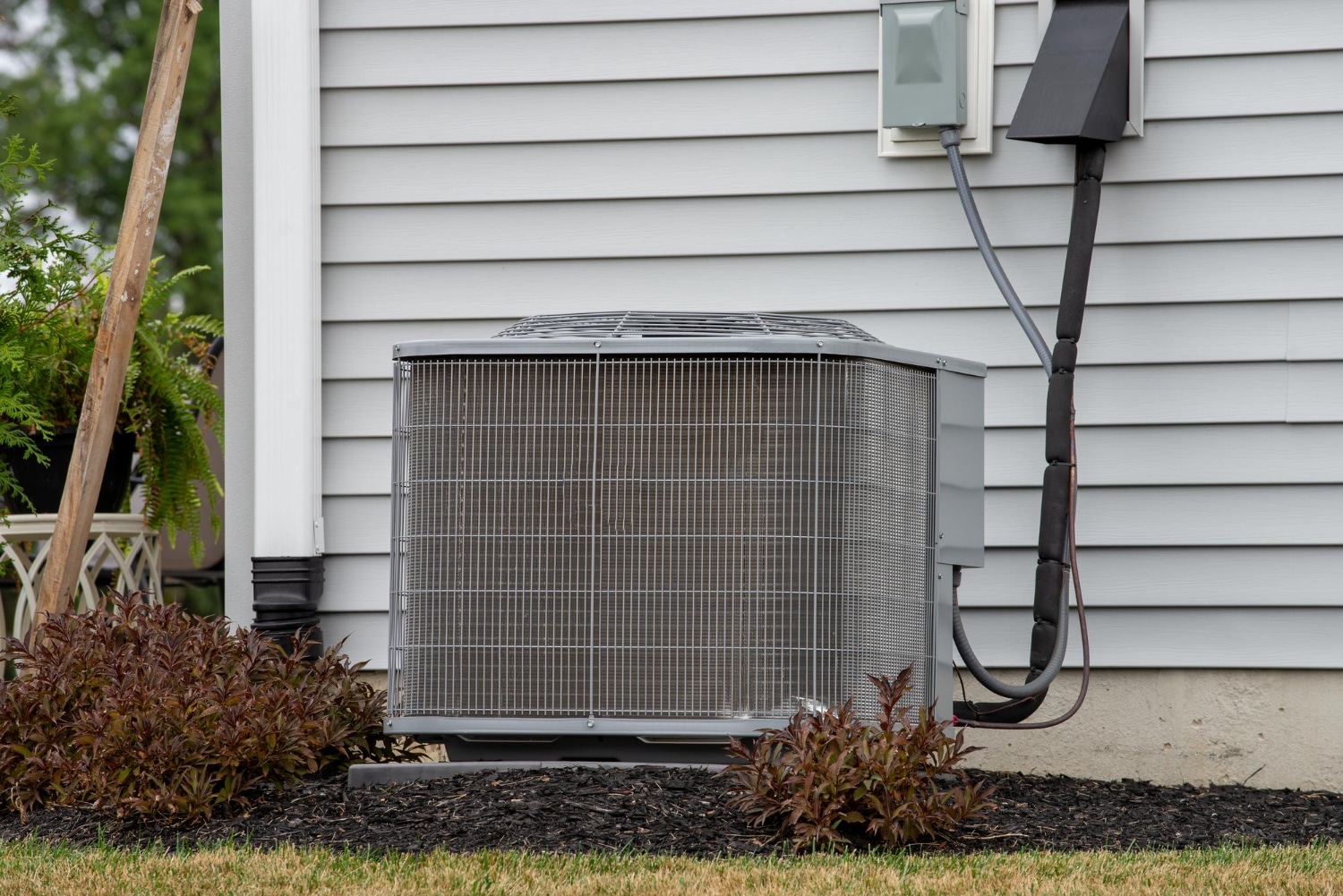
- Outdoor units may still freeze up even when it’s warmer outside, which often signals low refrigerant
- The thermostat might throw things off if it can’t read the milder temperatures correctly
Shifting between heating and cooling is a big job for your heat pump. After months of lighter use, sometimes moving into spring causes it to struggle with the switch. You might notice the system running longer than usual, which brings more wear and tear. Humidity levels in Florida can also put extra strain on the system.
If your thermostat isn’t reading temperatures accurately, your home won’t cool as expected. This is why it’s a good idea to check that the thermostat is working and adjust it for spring. Try setting the thermostat to cool and see how quickly your home reaches the set temperature. If it takes much longer than normal, there may be a deeper issue. During this time of year, your heat pump might seem like it’s running, but it’s not actually keeping the house comfortable. That’s when performance checks make a difference. Yearly AC repair and maintenance services can help improve spring performance and reduce system strain.
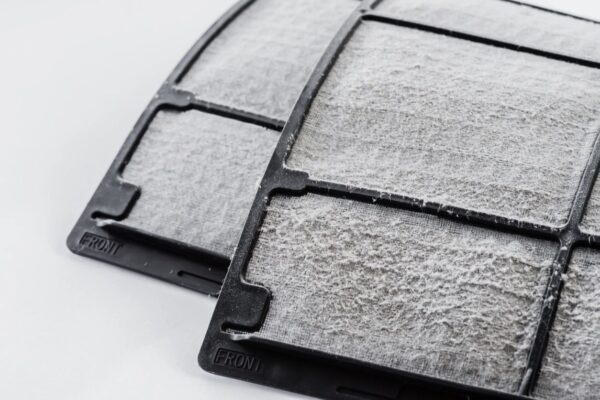
If your system struggles to clear humidity or freeze-ups become frequent, filters or coils may need cleaning. Mold or algae can also build up from Florida’s damp weather, and regular cleaning will help prevent this.
Why Timing Repairs Before Peak Cooling Season Pays Off
Spring is an ideal time to sort out small heat pump issues before hot weather makes life uncomfortable. Once Florida hits its summer stride, everyone’s calling for AC help. That can make it harder to get quick service when something breaks.
- Handling repairs in spring helps prevent emergency calls in the middle of a heatwave
- Scheduled work is easier to fit in now before calendars start filling up
- Fixes caught early tend to cost less and avoid bigger problems later
It’s also more convenient to make repairs and schedule check-ups before things get hectic. That way, you can relax during the hottest days and not worry about breakdowns. Regular attention also supports heat pump maintenance and efficiency, increasing long-term reliability.
Another benefit to scheduling early is that technicians have more availability and can spend more time diagnosing and addressing your concerns. When everyone else waits until the last minute, appointments fill up quickly, and repairs can be more expensive under emergency conditions. Being proactive also keeps your home more comfortable through unpredictable spring weather.
Keep Indoor Comfort Stable As the Seasons Shift
These in-between months are when we see the first signs of trouble that went unnoticed all winter. The heat pump has to adjust to a new job, from warming your home to keeping it cool. If anything isn’t working quite right, it will show up when the system needs to switch gears.
Spotting those signs now can help skip unplanned repairs later. A little attention now keeps your spring transition smooth and your summer even better. Better air starts with better airflow, and our indoor air quality services can also support comfort through seasonal shifts. Improving air quality alongside keeping your system in good shape leads to fresher, cleaner indoor air, which always feels better as the heat rises.
Taking these steps in spring also gives peace of mind as temperatures climb. By ensuring your heat pump is ready for the extra demand of Florida’s summer, you’ll enjoy steady comfort and be less likely to face sudden malfunctions.
FAQs
Why does my heat pump seem louder lately?
Unusual noise can come from loose parts, blocked airflow, or worn components. It’s worth having it checked out before use ramps up.
Should I be worried if my heat pump smells musty?
Yes. That smell could come from mold or moisture build-up in or around the coils and needs to be addressed.
Can short cycling damage my heat pump?
Yes. It puts extra stress on internal parts and will reduce the long-term efficiency of your system.
Is freezing normal in spring?
Not really. If the outdoor unit freezes when it’s not cold outside, low refrigerant or airflow problems could be to blame.
When is the best time to schedule maintenance in Florida?
Early spring is a good time to check your heat pump before the hotter months bring heavier use.
Why does my home feel humid even with the system running?
It might mean the heat pump isn’t transitioning cleanly into cooling mode, or it could be a thermostat issue.
How often should I replace my air filter in spring?
Replace it at the start of each season or more often if you have pets or allergies.
What does it mean if my energy bill went up this month?
It can point to your system working harder than it should, often caused by worn parts or poor efficiency.
Is it normal for the heat pump to run less during mild weather?
Yes, but it should still cycle normally. If it’s not maintaining temperature well, it may be misreading conditions or short cycling.
Will fixing issues now really save money later?
Yes. Taking care of small problems before summer helps avoid costly breakdowns and emergency calling fees.
To ensure your comfort and your system’s efficiency through Florida’s changing seasons, keeping your heat pump in peak condition is crucial. Roman Air Cooling and Heating is here to help with expert maintenance and repair services tailored to your needs. By addressing potential issues now, you’ll enjoy a smoother transition into summer and avoid unexpected breakdowns. Trust our team to keep your home comfortable all season long–contact us today.