
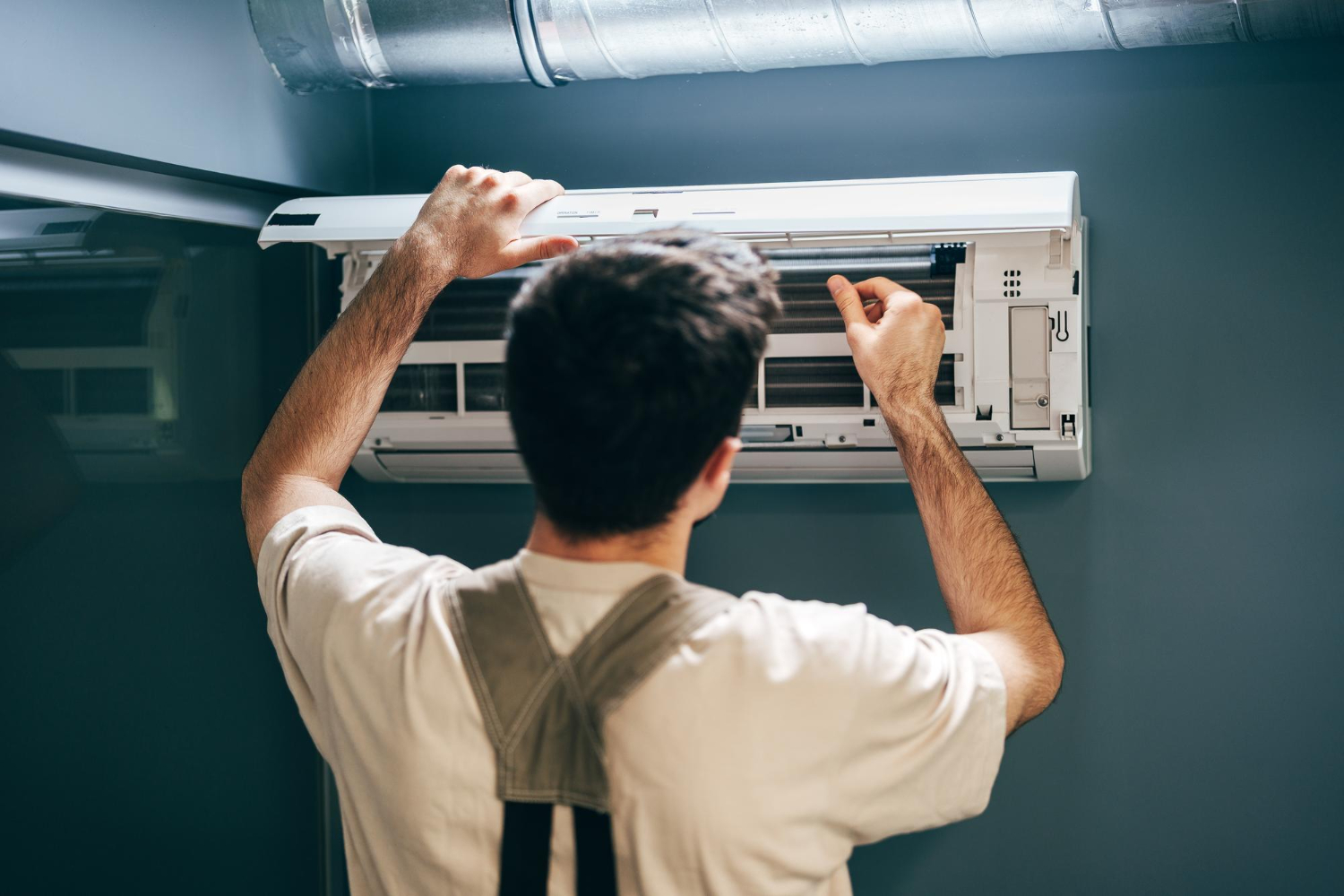
Living in Florida means air conditioning isn’t just for summer. High humidity and long stretches of warm weather can keep your AC running nearly year-round. That kind of demand adds up over time, even for a unit that’s been reliable in the past.
We often hear from homeowners wondering when a repair will do the trick and when it’s smarter to start thinking about AC installation. It’s not always an easy call, but certain signs tend to show up when a system is reaching the end of its useful life. Here’s what to watch for if your AC isn’t working like it used to.
How Old Is Your AC Unit?
Age is one of the first things to consider. Most air conditioners are built to last about 10 to 15 years when maintained regularly. If your unit is nearing or past that window, it may still be running but not at full strength.
Older systems often work harder than they should to get the same results. That strain can make your home less comfortable and raise your electric bill, even during cooler parts of the year. You might also notice repairs creeping up more often. As wear adds up, small fixes stop being enough. Age combined with falling performance is a clear signal that replacement may be the smarter long-term option.
If you’ve kept up with regular AC repair and maintenance services, but performance is still dropping, it could be time to look at newer system options that better match your home’s needs.
Is Your AC Always Running But Still Not Cooling?
A system that runs constantly but doesn’t cool your home well is worth a second look. Today’s AC units are built to cycle on and off efficiently. When yours stays on almost all the time, it could be a sign that the system is no longer able to meet your home’s needs.
Some common signs of poor cooling performance include:
- Warm or uneven room temperatures
- Little air coming through vents
- The system runs most of the day without reaching the temperature you set.
The Florida heat is no joke. Even mild winter days can stress a struggling unit. If your AC can’t cool things down with reasonable effort, it may be falling behind and ready to be replaced.
Replacing it with a newer unit that meets energy efficiency guidelines for air conditioners can help reduce both runtime and wasted energy.
Are Repairs Getting More Frequent or Costly?
Routine service is normal, but frequent repairs are not. If you’re calling for help more than once or twice a year, your AC may be on its last legs. Even new parts can’t always keep an aging system going much longer.
Some of the more expensive repairs, like compressors or evaporator coils, can rival the cost of a new system. Fixing those parts might buy time, but not much. When the repair bills start piling up, putting that money toward new AC installation can sometimes be a better investment for comfort and peace of mind.
If cost is a concern, learning about available HVAC financing options can make a new system more manageable without a big upfront expense.
Are Energy Bills Unexpectedly High?
Your electric bill can tell you a lot about how your HVAC system is holding up. If your energy use has shot up without a major change in your habits or weather, your AC could be the reason.
Older units and those with worn-out parts use more energy to power through each cycle. If you’re seeing a spike in bills during a stretch of mild Florida weather, it’s worth paying attention. Upgrading your AC may lead to more consistent cooling and could help settle those rising energy costs.
Air conditioning systems that aren’t cooling properly can also affect air moisture levels indoors, sometimes causing musty air or damp rooms. In some cases, it’s smart to have both your cooling and indoor air quality services evaluated at the same time.
Are You Noticing Odd Sounds or Smells?
Your AC should be mostly quiet and odor-free when it’s running. If you start hearing strange noises or picking up unusual smells, something inside may not be working the way it should.
Watch for these warning signs:
- Loud banging, buzzing, or grinding sounds
- Musty smells coming from vents
- A burning odor while the unit is on
These can point to mechanical damage, mold buildup, or electrical problems, none of which should be ignored. If your AC starts sounding or smelling off, and you’ve had issues with it before, replacement might be safer than more repairs.
Especially when looking at your options, it may help to check EPA guidance on purchasing air conditioners so you know what features and energy standards make sense for long-term comfort.
When a New AC Makes More Sense Than More Repairs
Paying attention to early warning signs can help avoid stressful emergency breakdowns. A system that runs all day, costs more to operate, or requires constant attention probably won’t turn things around on its own. That’s especially true if it’s already seen 10 or more Florida summers.
A newer system isn’t just about better cooling. It’s about confidence that you won’t lose air conditioning right when the weather heats up. In a state where AC is part of daily life, having one you trust can make a big difference in how comfortable your home feels year-round.
If your AC is showing signs of wear and struggling to keep your home comfortable, it may be time to consider an AC installation. At Roman Air Cooling and Heating, we understand that Florida’s climate demands reliable cooling year-round. A new system can improve efficiency, lower energy bills, and provide peace of mind. Reach out to us today to explore options that fit your needs and keep your home cool and comfortable.