

Spring in Florida often means shifting weather, warmer days, and more humidity than many expect. Indoor air can start to feel damp one day and dry the next. For homes with a humidifier, this is the time to check that it’s still doing its job after the winter months. A home humidifier helps keep the balance right, easing things like dry skin, irritated sinuses, and even spring allergies and improving indoor air quality. But as the seasons change, it needs a small check-in to stay reliable. With a few careful steps, you can make sure your indoor air stays steady and your system runs smoothly.
Why Your Humidifier Still Matters in Florida’s Spring
Florida’s climate may be humid most of the year, but that doesn’t mean it stays steady indoors. HVAC systems can pull moisture from the air, causing rooms to feel dry even when it is damp outside. That is where a home humidifier still plays a part. It helps smooth out indoor dryness, especially during those cooler, less humid spring mornings.
Balanced indoor humidity helps your home feel more comfortable overall. It may also keep springtime allergy symptoms in check. When the air inside is too dry, pollen and dust can travel further and linger longer. A good balance of moisture can help lower irritation from airborne allergens and support healthier breathing. For more ways to improve how your home feels this season, take a look at our improved indoor air quality tips.
Signs Your Humidifier May Need Attention
After being used on and off all winter, humidifiers can collect buildup or show signs of wear. You might not notice right away unless you know what to look for. Here are a few common clues:
- White dust near vents or furniture can signal mineral deposits
- Musty smells may point to mold or bacteria buildup inside the unit
- Weak airflow or low moisture output could mean clogged filters or worn parts
- Noise changes or odd sounds might hint at motor stress or internal blockages
If these signs pop up, they should be checked early. Ignoring them could make your indoor air quality worse or place added stress on your HVAC system. A little attention now protects both your comfort and your equipment. Don’t overlook odd sounds or subtle changes in airflow, as these issues can slowly grow worse if left without care, potentially making your system less efficient and your air less comfortable. Being proactive is always better than waiting for a problem to get bigger.
Step-by-Step: Getting Your Humidifier Ready for the Season
If spring has arrived, it is the right time for a humidifier refresh. Skipping this step can affect how well it works over the coming weeks. Here’s how we recommend handling seasonal prep:
- Power off the unit fully before inspection
- Remove and clean the water reservoir using a soft cloth and mild soap
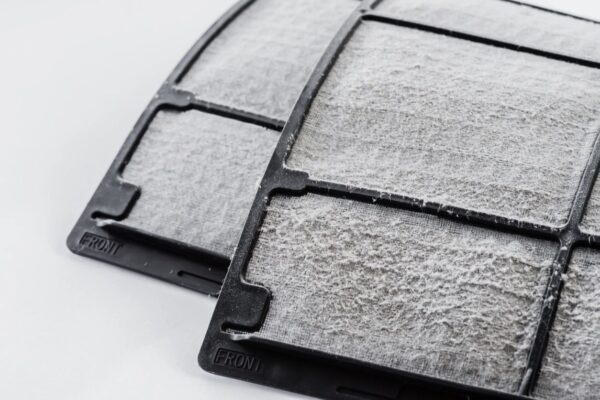
- Check filters, pads, and internal parts for signs of buildup or wear
- Replace any parts that look dirty or damaged
- Rinse with clean water only, avoid vinegar or harsh chemicals
- Wipe exterior surfaces and allow everything to dry fully before powering on
Regular spring upkeep is important because dust and mineral deposits build up gradually, weakening your humidifier’s output. Filters, pads, and other small pieces wear down too, so take an extra moment to inspect them after each cleaning. This careful habit will help your humidifier last longer and work better through the unpredictable Florida spring.
We always recommend skipping deep disassembly unless you have experience. Internal parts can be delicate, and using the wrong cleaner can do more harm than good. For more on safe upkeep, there’s a helpful resource on humidifier maintenance and safety from the EPA.
How Professional Maintenance Extends Humidifier Life
Seasonal maintenance does more than clean your unit; it helps spot small issues before they cause bigger problems. During a tune-up, a technician will usually check all working parts, from water lines and sensors to floats and solenoids.
Over time, calcium or rust buildup can block flow or damage internal valves. Professional care helps to:
- Detect worn sensors or stuck valves
- Remove scale from hard-to-reach interior parts
- Check airflow balance between HVAC and room vents
- Spot signs of developing leaks or motor wear
HVAC professionals can also test everything to make sure your humidifier operates safely and doesn’t raise indoor moisture too much. Having an expert check it is one way to make sure you avoid bigger headaches later on, and it can even help your main HVAC system work more efficiently. Any leaks or clogs that aren’t caught early may affect airflow throughout your house, so regular service counts.
Catching these early keeps your home humidifier steady and supports better efficiency through the rest of spring. A unit in good shape not only uses less energy but also works more consistently when the weather flips between dry and sticky.
Remember that professionalism counts most when it comes to tricky repairs or replacement of fragile parts. Not every maintenance task is easy to spot from the outside, so scheduling expert care at least once a year is smart if you want your system to last.
FAQ: Spring Humidifier Prep in Florida
How often should I clean my home humidifier?
Clean it every one to two months during use, and deep clean before and after seasonal use.
Can I leave my humidifier off during spring?
Yes, but monitor indoor dryness. If the air feels overly dry or allergy symptoms increase, keep using it.
What humidity level is right for Florida homes in March and April?
Aim for indoor humidity between 40 and 50 percent to stay comfortable and avoid mold.
Will using a humidifier help with spring allergies?
Balanced humidity can help soothe dry sinuses and reduce how allergens travel in the air.
Why does my humidifier smell musty?
That smell often comes from bacteria or mold growing inside the reservoir or pads.
What’s the white dust coming from my unit?
That dust is usually mineral residue from unfiltered tap water evaporating into the air.
Do I need a technician to service my humidifier each spring?
Yes, especially if it hasn’t been cleaned for months or is showing signs of wear.
How can a humidifier affect my HVAC system?
If it leaks or clogs, it can lower airflow or raise indoor moisture too much, making your system work harder.
Should I use distilled water in my humidifier?
Yes, if possible. It reduces mineral buildup and helps keep the interior cleaner between checks.
Is it bad to use a humidifier when outdoor humidity is already high?
Using it lightly is ok, but always monitor indoor levels so humidity doesn’t get too high.
Keep Spring Air Fresh, Balanced, and Comfortable
Prepping your home humidifier ahead of spring’s humidity swings gives your space a steady, breathable feel. Moisture levels in Florida may be high outdoors, but that doesn’t always carry through inside. Inside air can still run dry depending on how your HVAC handles humidity.
With a bit of seasonal care, you lower the chance of spring sniffles and keep things feeling comfortable across every room. Small checks now let your system do its job quietly in the background without hiccups, and that means one less thing to worry about when the weather heats up.
Spring is a great opportunity to assess your indoor comfort if your system isn’t performing as it should or if the air inside feels different. Regular HVAC maintenance services can help improve your indoor air quality and support the performance of your home humidifier. At Roman Air Cooling and Heating, we help Florida homeowners stay comfortable through every season. Contact us today to schedule service and keep your equipment running smoothly all year long.