
If you’re a homeowner in Florida, you know how important it is to have steady comfort indoors. Between the long hot seasons and the short bursts of cooler weather, your home needs a system that can manage both without working too hard. That’s where heat pumps come into the picture. These systems are built to both cool and warm your house using just one unit, which makes them a popular option in states with mild winters like Florida.
A lot of folks think heat pumps are just for places that get cold. But that’s not true. In Florida, they actually make a lot of sense because they can handle the cooling load during the hotter months and still take the edge off when it dips during the winter. If your current heating and cooling setup is older or running inefficiently, it may be time to look at whether a heat pump fits your home better.
How Heat Pumps Work
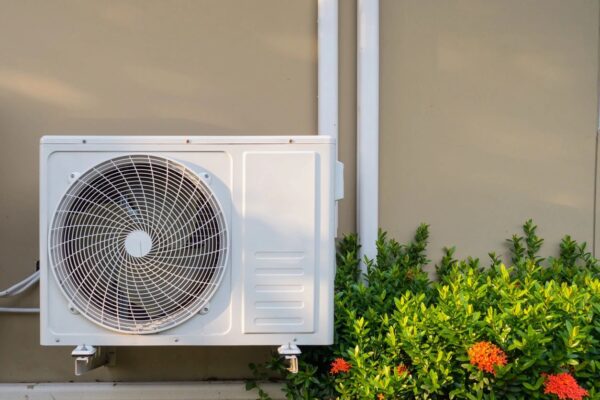
A heat pump is different from a regular air conditioner or furnace. It doesn’t just create warm or cool air, it moves the heat from one place to another. In the summer, it moves heat out of your house to cool it down. In the winter, it pulls heat in from the air outside even when it’s chilly to warm your space. This all happens through a refrigerant cycle that works in reverse depending on the season.
Here’s a quick breakdown of what makes a heat pump tick:
– It picks up warmth from the air outside (yes, even in cooler weather) and moves it inside.
– During summer, it pushes the hot air inside your home back outside to help cool the rooms down.
– It uses electricity and a lot of the same parts as a central AC system, like coils and fans, but with a reversing valve that lets it flip functions between heating and cooling.
One big reason Florida homeowners like heat pumps is that they don’t have to rely on two separate systems. Instead of having a furnace and an AC unit working year-round, the heat pump keeps things simple and often more efficient. Traditional gas furnaces aren’t usually necessary in Florida, so skipping the extra bulk and complexity makes life easier and sometimes lowers energy use.
Benefits of Heat Pumps for Florida Homes
Florida homes aren’t fighting snowdrifts in the winter, but they still need dependable heating and cooling systems. Heat pumps offer a nice balance for the kind of weather most people across the state experience.
Some reasons heat pumps make sense here:
– Energy efficiency: Because they move heat rather than create it, heat pumps often work using less energy than systems that generate hot or cold air. That can help keep your utility bills more consistent.
– Lower environmental impact: A system that uses electricity and moves existing heat tends to be cleaner. There’s no gas burning or extra emissions involved in heating your space.
– Indoor comfort year-round: Whether it’s a muggy August or a brisk January morning, heat pumps manage your indoor temperature without needing a switch to a completely separate unit.
– Quieter operation: Heat pumps often run more smoothly and quietly than older HVAC systems, especially those with loud outdoor units.
For example, one family in Florida swapped their aging AC and electric heater for a heat pump. They were hoping to reduce their energy use, but what really surprised them was how quickly the system could respond to changing temperatures inside their home throughout the day. The comfort level stayed mostly the same year-round, and they noticed fewer swings between hot and cold rooms.
If you’re looking for a more efficient and simpler system to handle your home’s weather needs, a heat pump is worth considering.
Heat Pump Installation Process
When you decide to switch to a heat pump, it’s natural to wonder what the installation process involves. It’s good to know that getting a heat pump isn’t as disruptive as you might think. Here’s a simple guide to what you can expect:
1. Initial consultation: This is where the experts assess your home’s heating and cooling needs. They’ll check out your current system and note any specifics about your space to ensure the right size heat pump is chosen.
2. System selection: After assessments, you’ll choose a heat pump model that fits your home and budget. This decision impacts efficiency and comfort, so having professional guidance helps.
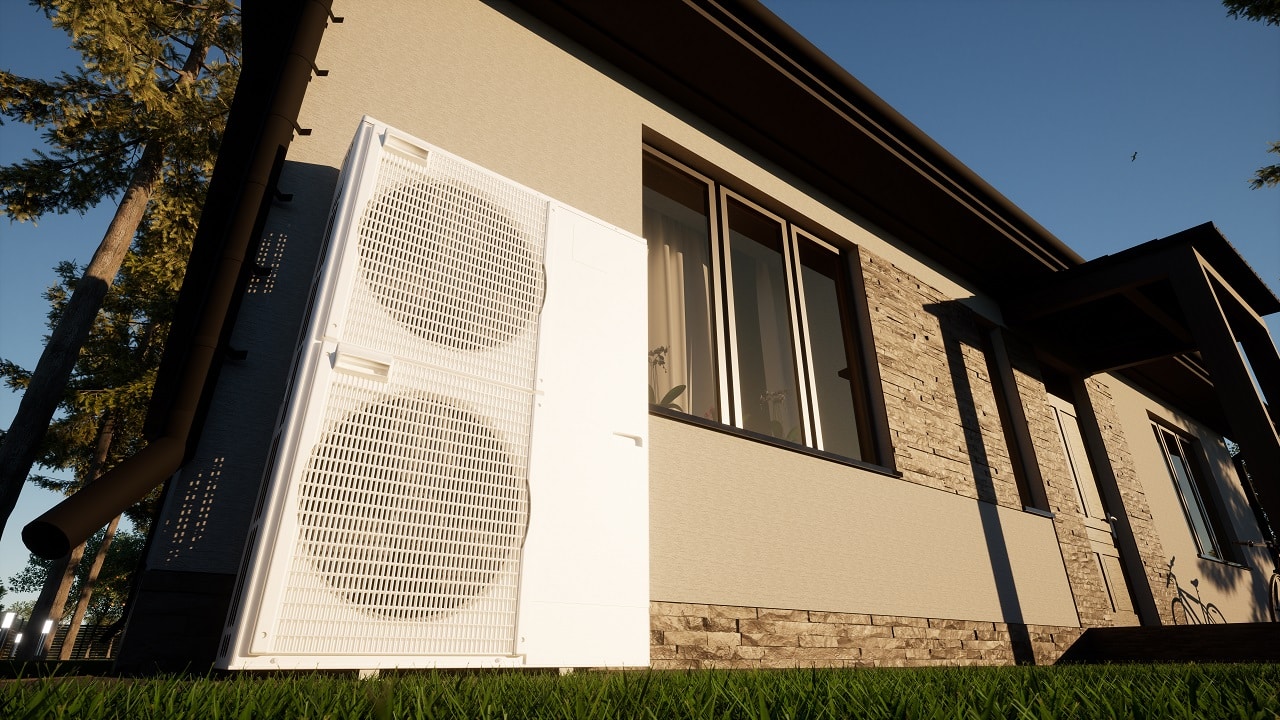
3. Installation day: On the big day, the old system is removed, and the new heat pump gets installed. This involves setting up both the indoor and outdoor units, connecting ductwork if needed, and hooking up to the power supply.
4. Testing and instructions: Once the system is in place, it’s run through some tests to ensure everything works as expected. You’ll also get a walkthrough of how the new system functions and any maintenance tips.
By understanding these steps, you can rest easy knowing your home’s climate control is in capable hands, reducing the stress sometimes felt with such an update.
Maintenance and Longevity of Heat Pumps
To keep your heat pump humming efficiently, regular maintenance is key. Just like cars need tune-ups, heat pumps benefit from routine check-ins. This maintenance helps avoid unexpected issues and extends the lifespan of the unit.
Here are some maintenance must-dos:
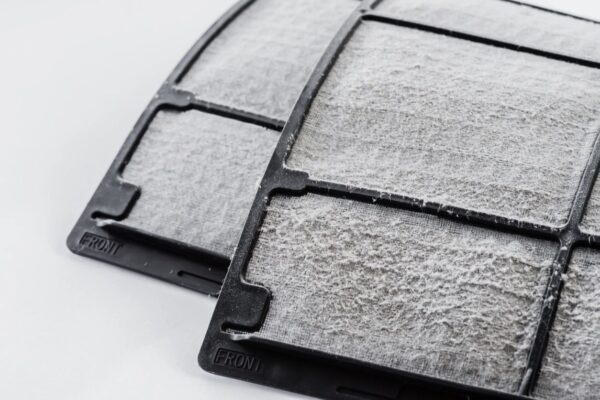
– Regular cleanings: Keep the filters, coils, and fans clean to maintain airflow. Dust and debris can clog these parts and reduce efficiency.
– Thermostat settings: Make sure your thermostat settings align with your comfort needs throughout the year. Proper use can impact system wear and tear.
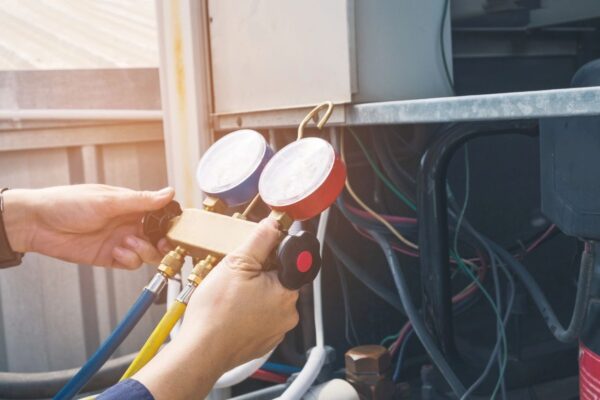
– Seasonal check-ups: Scheduling professional inspections before the start of summer and winter seasons can help catch any minor issues before they turn into big problems.
Picture a scenario: A homeowner stuck to a strict twice-a-year check-up schedule for their heat pump. They discovered a small coolant leak during a routine visit, which was fixed quickly. Thanks to regular maintenance, the unit remained reliable and efficient without any costly surprises.
Making the Switch to a Heat Pump
Considering a switch to a heat pump often involves weighing various factors. Timing, costs, and benefits play roles in making the decision to replace your old system. But when is the right time to make the change?
– Age of current system: If your existing AC or heater is over a decade old, it’s likely less efficient than current models. Older systems can become costly due to frequent repairs and high energy use.
– Frequent repairs: Constant fixes aren’t just inconvenient. They can add up quickly. A new heat pump might mean fewer repairs in the long term.
– Energy costs: If your monthly energy bills are on the rise, it could be your system is losing efficiency. A heat pump can be a smarter solution that cuts down on costs and improves comfort.
Switching to a heat pump isn’t just about saving money. It’s also about creating a consistent and pleasant home environment. When you decide it’s time to explore options, getting professional guidance helps make the transition smooth and well-informed.
Stay Comfortable Through Every Florida Season
With a heat pump, the way you experience comfort at home can completely change. Imagine a Florida season where your indoor space feels just right, no matter what’s happening outside. There’s no need to juggle separate systems or face steep utility bills. Instead, everything is streamlined for smooth operation and consistent comfort.
So, is a heat pump right for your Florida home? If you value ease, efficiency, and a smaller environmental footprint, it just might be the perfect fit. By embracing this modern HVAC solution, homeowners find peace of mind knowing they’re investing in technology that adapts to their needs and the climate.
Consider making the leap into a future where your heating and cooling systems work seamlessly, providing a cozy and energy-efficient environment for years to come.
Choosing a heat pump can transform your home’s comfort levels in Florida. When you’re ready to explore how a heat pump installation can seamlessly enhance your indoor environment, Roman Air Cooling and Heating is here to guide you through the process. Discover more about this efficient solution and let our experienced team assist you in making the best decision for your needs.