

In Florida, where hot weather is the norm for most of the year, we are usually focused on keeping things cool and comfortable. But as winter winds down and early spring approaches, indoor air quality deserves more attention, too. Our homes tend to stay shut tight during the mild winter months, making it easier for dust, dander, and moisture to build up without much air movement to clear things out.
This slower season offers a perfect moment to make a few changes, nothing major–just small habits and equipment checks that can go a long way in making the air inside your house feel fresher. With Florida’s humidity and pollen levels on the rise again soon, this time of year is a great one to prepare your space for cleaner breathing. You can start with simple HVAC system maintenance and tune-ups to make sure everything is running smoothly.
Understanding Common Pollutants Inside Florida Homes
Cooler months in Florida mean we do not open our windows as often. That keeps our ACs from having to work hard, but it also lets common indoor pollutants stick around longer. You might notice your home’s air feels a little heavier or smells a bit musty. That usually ties back to a mix of trapped particles and moisture in the air.
- Dust tends to gather when air stays still. It settles into carpets, clings to blinds, and reenters the air when we move around the house.
- Pet dander hangs in the air, especially if your furry friends spend more time indoors during winter.
- In damp corners, closets, or seldom-used rooms, mold spores can sneak in. Florida’s humidity makes it all the more likely to happen, even during winter. For peace of mind and health benefits, it helps to understand more about mold prevention and health effects.
- With less fresh air coming in, the air in your home may start to feel stale or harder to refresh through vents alone.
When these kinds of pollutants build up inside, daily life can start to feel less comfortable. Even if health is not affected right away, stale or dirty air impacts how our homes smell and feel.
These issues do not always cause major problems for every household, but they can leave the air feeling dense, irritate allergies, or just make spaces feel less comfortable. If the air in your home starts to feel heavy or you’re sneezing more often than usual, it may be time to think about some small changes.
For homeowners dealing with persistent dust, humidity, or allergy symptoms, professional services can make a big difference. Many residents choose to Improve Indoor Air Quality in St. Cloud, FL by having their HVAC system inspected and upgraded to better control pollutants and indoor moisture levels.
How HVAC Systems Affect the Air You Breathe
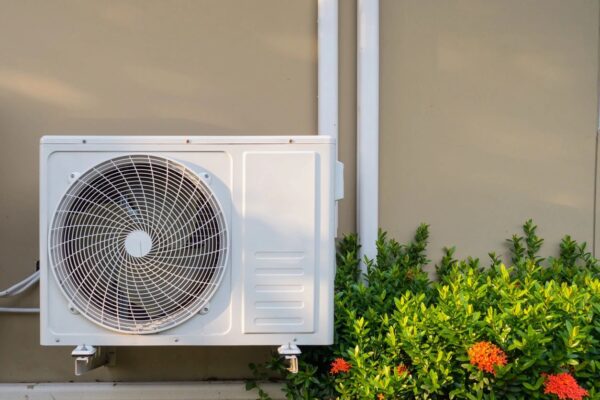
Your HVAC system plays a big part in circulating the air inside your home. That circulation helps manage temperature and moisture, and it also controls how often the air is filtered. If your filters have not been changed in a while, they might be spreading more particles instead of removing them.
Here are a few smart ways to improve air movement and quality through your HVAC system:
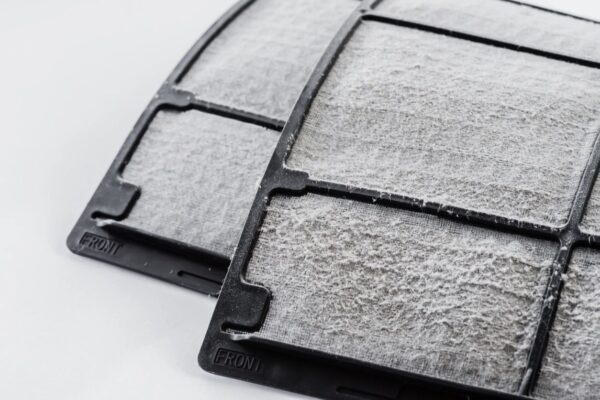
- Change your air filter regularly. If it is clogged with debris, your system has to work harder and cannot clean the air as well. Learn more about HVAC filter installation and MERV ratings to choose filters that actually help.
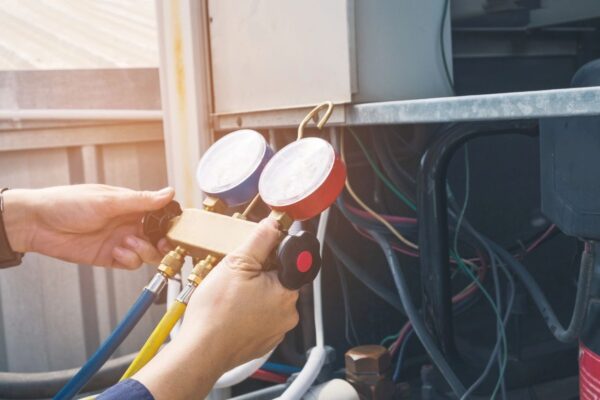
- Schedule system checks before spring. A technician can make sure everything is working like it should and help identify signs of weak airflow or buildup.
- Consider add-ons like a whole-home air purifier or a dehumidifier. These can remove lingering pollutants and reduce dampness, especially in Florida’s springtime when pollen and moisture spike.
When you take care of your system, it does much more than cool the house down. It works all year to move air, cut down on humidity, and trap dust or dander before it spreads. Making sure your HVAC is running as it should is a smart, simple way to help your family breathe a bit easier every day.
A healthy HVAC system does more than just circulate cool air. It keeps your indoor environment steady and reduces what floats around where you sleep, cook, and relax.
Everyday Habits That Can Improve Air Indoors
It does not always take big changes to see better air at home. Some light but regular habits can keep pollutants from settling and building up.
- Open windows when temperatures are mild and pollen counts are low. Late winter in Florida still gives us these peaceful days, so take advantage of them.
- Leave shoes at the door to keep dirt, pollen, and allergens from traveling further inside.
- Vacuum carpets and mop floors on a schedule. Be sure to hit spots near vents or baseboards where dust tends to gather.
- Wipe down your air vents. It is easy to forget about them, but a quick dusting can make a surprising difference.
- Be mindful of what chemicals you use to clean. Many sprays leave particles in the air long after you are done. Consider using wipes or a cleaner with fewer lingering fumes. If you’re interested in making your air safer, the EPA lists three basic strategies to improve indoor air quality at home.
Making a habit out of these simple steps helps reduce particles and moisture in your living spaces. If everyone in the household pitches in, the results will be even better. It also encourages cleaner routines for the long term.
These steps are simple, but when done regularly, they help your home reset with the seasons and feel more breathable day to day. Consistency is key. Even if you just start with one or two changes, sticking with them will bring lasting results and fresher air.
Seasonal Timing in Central Florida That Affects Indoor Air
As Florida starts to warm back up, so does the growth of outdoor allergens. We usually see pollen kick up earlier than in many other states, and humidity never really drops off for long. These early spring changes can hit fast, especially if you are caught with stale or dusty air inside.
Late winter is the best time to:
- Change out old filters and refresh vents before spring pollen hits.
- Make sure stored areas (like garages or closets) get a little air to prevent dampness.
- Check that your system is not starting the season with signs of mold or mildew.
- Open windows on dry, breezy days to help flush out lingering air from the cooler months.
When you keep an eye on these seasonal changes, it can help your space feel more comfortable as the weather shifts. Taking these steps right at the end of winter lets your home adjust and refresh before spring’s heat and pollen take over. It keeps you from scrambling later and adds an extra layer of comfort for everyone indoors.
If you get ahead of these seasonal shifts, your home transitions more smoothly into spring instead of reacting late.
Clearer Air Means a More Comfortable Home
Even small steps toward better indoor air quality can have a positive effect. It is about more than just allergy relief. Cleaner air can help with sleep and focus, and keeping your efforts to cool your home more effective too. Dust and debris make systems work harder, and they add a layer of discomfort we often do not notice until it is gone.
By making a few changes before the hot season kicks in, you’ll be able to notice fresher air and an easier time keeping cool. Cleaner indoor air can become an everyday comfort, not just a luxury during allergy season. Daily routines like filter changes, cleaning vents, and letting fresh air circulate build a reliable shield against dust and humidity.
By giving your home a little attention while things are still quiet and mild outdoors, you set the stage for better air once the windows close again and the AC kicks into full-time mode. Getting started now does not take much, but it helps us stay a step ahead as spring approaches.
Ready to improve the comfort and clarity of your home’s air? With spring around the corner, now is the perfect time to focus on indoor air quality. Roman Air Cooling and Heating can help assess and boost your home’s environment by addressing pollutants and ensuring your HVAC system is performing optimally. Reach out today and take the first step towards a fresher, healthier indoor space.