
Late winter in Saint Cloud, Florida, is a mixed bag. Mornings can start cool, but by afternoon, it’s back to sweating. These kinds of swings aren’t just uncomfortable; they can stress your HVAC system more than you’d expect. As temperatures bounce all over the place, your heater and AC end up switching roles fast, more often than during steady weather.
When your system has to respond over and over without warning, small issues can turn into big problems. Staying ahead of breakdowns starts with knowing how the weather affects performance and what you can do to extend the life of your HVAC in Saint Cloud.
How Changing Florida Weather Affects HVAC Performance
Florida’s weather is rarely boring. In one week, you might have warm, muggy air followed by a chilly dry front. That kind of back-and-forth creates extra wear on HVAC systems, especially if they’re older or haven’t had recent maintenance.
- Quick temperature shifts force systems to move rapidly between heating and cooling, often multiple times a day
- High afternoon humidity can mess with your AC’s ability to drain properly or cycle the way it should
- Stormy days with wind or rain may carry seeds, dust, or debris into the unit, blocking airflow and clogging filters
Even newer equipment can feel the strain when the weather doesn’t settle. With constant shifts in temperature and humidity levels, these systems must always be ready. Some homeowners may not realize that such repetition in weather changes adds stress, even if the system is relatively new, making it just as important to maintain it regardless of age.
Signs Your HVAC System Might Be Heading Toward a Breakdown
Most systems don’t just stop working out of nowhere. In many cases, they give you small hints that something’s not quite right. If you know what to look for, you might be able to catch a fault before it turns into an outage.
- Inconsistent heating or cooling from room to room
- The system starts and stops more frequently than normal
- Musty or burning smells coming from the vents
- Weak or strange-smelling airflow
- Buzzing, grinding, or clicking sounds from outdoor units
If you notice any of these signs, it’s better to act sooner rather than later. Ignoring minor issues can bring bigger repair costs down the line. Taking action when problems are small helps keep your HVAC efficient and helps avoid major breaks when you most rely on it. Staying alert to sounds or airflow changes also makes it easier to describe any problems when service is needed.
Maintenance Steps That Prevent Common Winter-to-Spring Breakdowns
You don’t need to wait for a problem to show up to take care of your HVAC system. A few habits this time of year can give the unit a head start before the cooling season gets heavy.
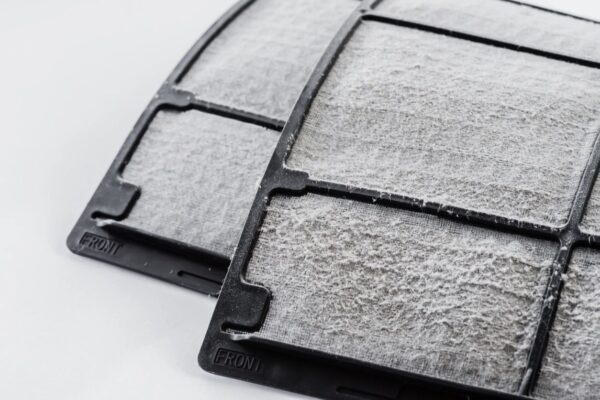
- Change or clean air filters once a month, especially if you’re running both heat and AC back and forth
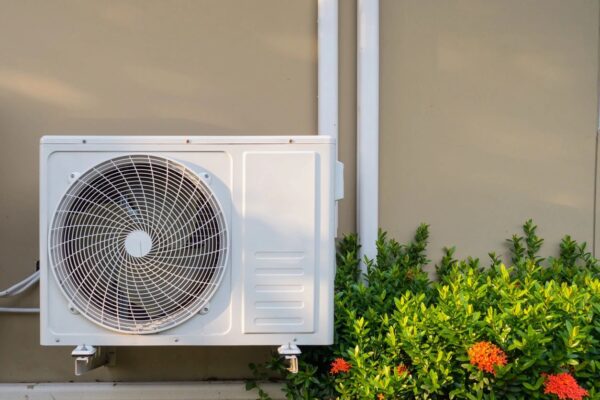
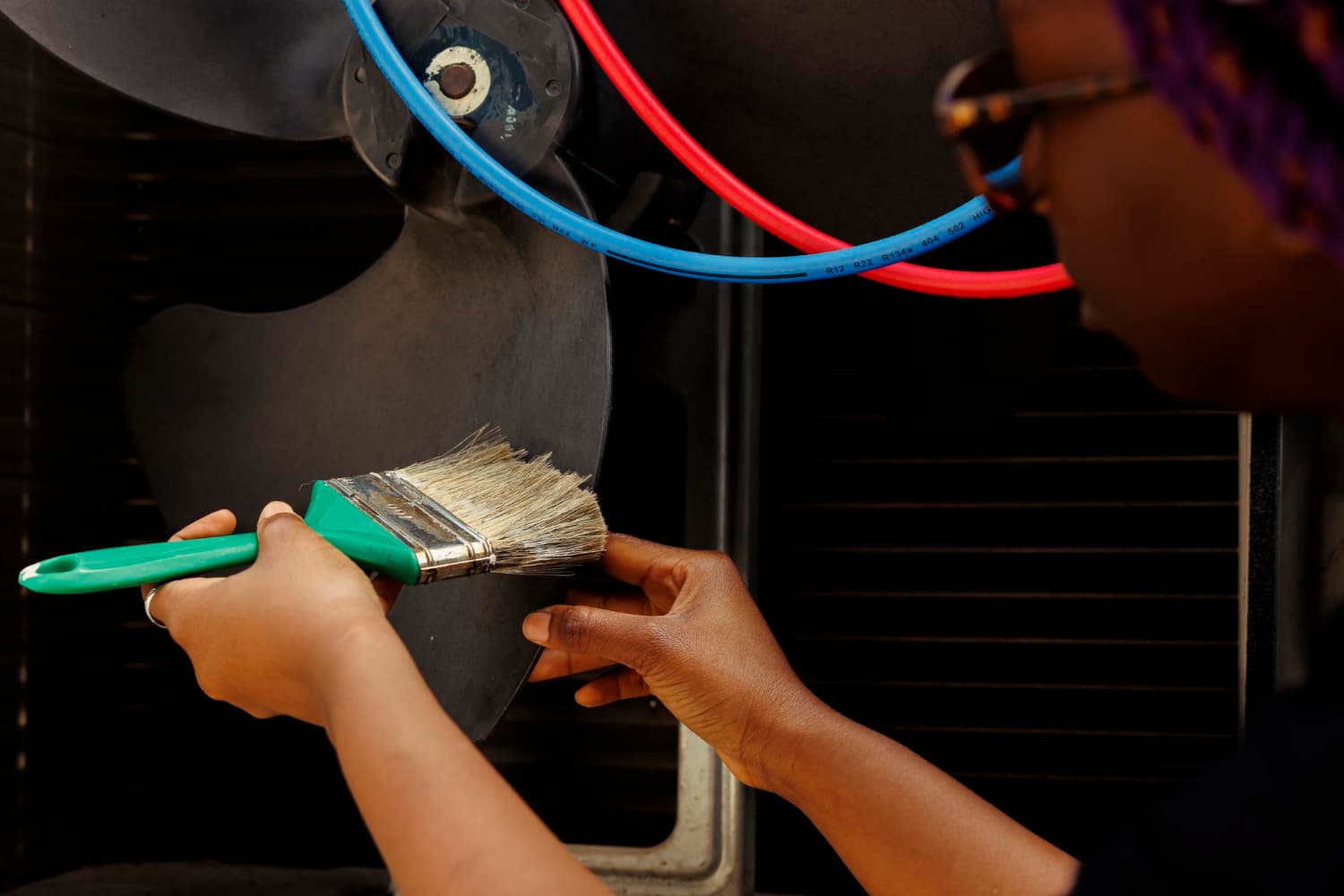
- Clear leaves, sticks, or nests from the outdoor unit to keep air moving freely
- During dry spells, check for dust buildup in vents and around grilles
- Listen for unusual sounds when your system runs
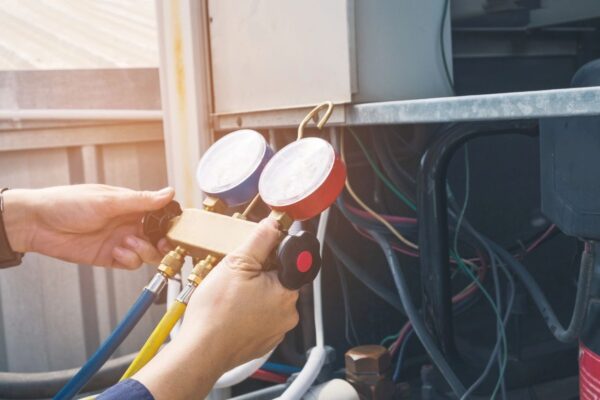
- Schedule an inspection in early spring to check refrigerant levels, electrical parts, and fan motors
Even if your system seems fine, small wear and tear can build up without warning in Florida’s back-and-forth temperatures. Staying on top of care is easier with a reliable routine, and keeping your HVAC healthy will help avoid future breakdowns. This HVAC maintenance blog post gives helpful tips to follow all year long, offering simple ways to keep on schedule with care.
It’s also a good idea to listen for changes anytime the system starts working differently. If your HVAC sounds louder, produces unfamiliar odors, or you notice the air isn’t as strong as usual, make a note and mention it to your technician during checkups. Sometimes, seemingly minor symptoms are early clues that let you catch bigger issues before they lead to larger failures. Cleaning around your outdoor unit regularly helps prevent debris buildup from causing trouble, particularly after windy or rainy days when branches and dirt can collect quickly.
Why Saint Cloud Homes Benefit from Professional System Checks
Homes in Central Florida often use heat pumps or hybrid systems that combine heating and cooling into one setup. That’s great for energy use but means the equipment has to switch modes more often when the weather goes from warm to cold and back again.
Knowing how to manage that setup can make a big difference. Good insight into heat pump maintenance and operation helps make those changes easier on the equipment.
Having someone familiar with local weather patterns look over your unit means they understand the kinds of short-term stress these systems go through. Our area deals with long humid stretches, dust from dry spells, and quick fronts that drop temps by 15 or 20 degrees in a few hours.
A professional technician can spot when your system has been overworked by weather changes. For example, they check for worn motor parts, drained refrigerant, and buildup that could make the system lose efficiency. Those checks become even more valuable when your household is running both heat and AC in the same week, helping your HVAC adjust quickly. Your comfort and energy usage both benefit from expert attention at the start of each new season.
Ongoing service catches worn-out parts, and it helps everything run better. That can reduce the risk of sudden outages when you need your system the most, like when a cold morning surprises you right after a warm evening.
How often should I service my HVAC in Saint Cloud?
We recommend twice a year, once before the cooling season and once before winter kicks in.
What causes my AC to short-cycle when the weather changes?
Short cycling can happen when the system struggles to keep up with fast temperature swings or if something’s wrong with the thermostat or sensors.
Can outdoor humidity impact my indoor air quality?
Yes. High humidity can lower comfort levels and make the air feel heavy, while excess moisture sometimes leads to musty smells or mold if not managed well. Check out EPA’s indoor humidity and air quality guidelines to learn more.
Why does my HVAC unit make noise when the seasons shift?
Transitioning between heating and cooling can highlight worn parts or loose components that weren’t noticeable during steady use.
When should I replace vs repair an older HVAC system?
If repairs are becoming frequent or comfort has dropped, replacement may be worth looking into. A professional can help assess the full condition.
Is it safe to run both heating and cooling on the same day?
Yes, though switching modes quickly and frequently can put stress on the system. Give it a short pause between changes when possible.
What does a maintenance visit check for during late winter?
Inspections this time of year focus on refrigerant levels, worn electrical parts, fan operation, air quality, and proper drainage.
Should I shut my system off completely when the temps are mild?
If your home stays comfortable, it’s fine to give the system a break. Just make sure filters stay clean during downtime.
What affects HVAC efficiency in Saint Cloud homes?
Insulation, duct condition, thermostat settings, and filter cleanliness all play a role. Quick weather swings can also cause sudden use spikes.
Are ductless mini-splits more reliable during weather swings?
Mini splits handle fluctuating weather well since they offer room-by-room control, making quick comfort changes easier to manage.
Keep Your HVAC Running Strong Through Florida’s Ups and Downs
As we move through February and head into longer, warmer days, your HVAC system is working harder to keep temps steady. That back-and-forth strain can sneak up on older units or ones that haven’t had recent care.
Spotting small issues early, keeping filters fresh, and removing blockages around outdoor units all play a role in helping your HVAC in Saint Cloud stay reliable through another season. When your system runs without interruption, your home stays comfortable, no matter what the next front brings.
Ready to keep your system running smoothly through Saint Cloud’s unpredictable weather? Ensure efficiency and comfort by addressing any signs of wear with a professional touch. Contact us and schedule an HVAC in Saint Cloud checkup with Roman Air Cooling and Heating. Their expert services provide peace of mind, helping your home stay comfortable, no matter what Mother Nature throws your way.