
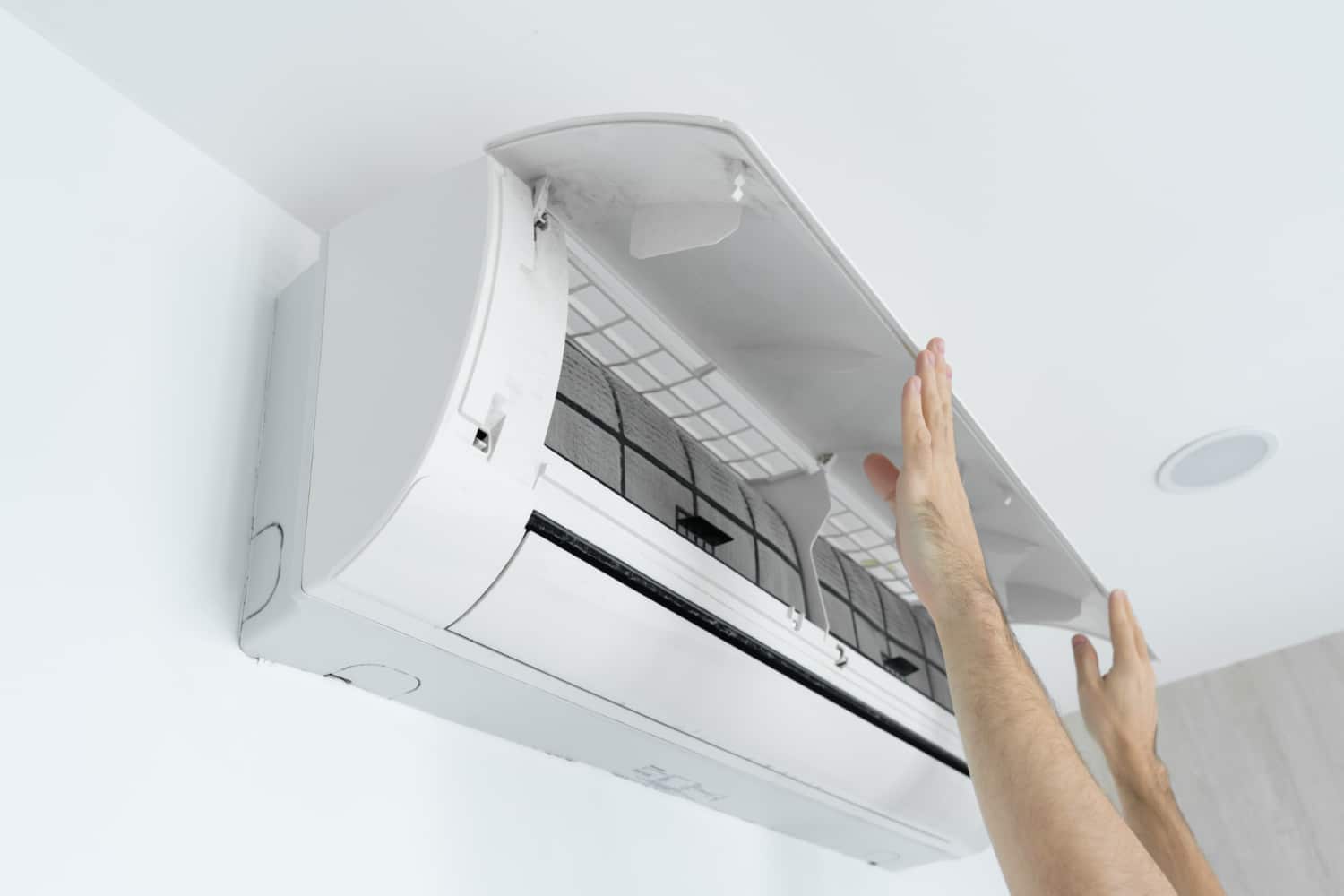
Early spring in Orlando brings warmer weather and longer days. It also means air conditioners are switching back on after a quieter winter. When a sudden breakdown hits in the middle of rising temps, it’s more than an inconvenience; it’s a disruption we all try to avoid. Emergency AC repair calls tend to spike this time of year, and knowing how to respond can help keep the situation from getting worse.
Understanding what qualifies as an emergency, what steps to take first, and how professional technicians usually handle these situations gives homeowners some peace of mind when things heat up fast.
What Counts as an AC Emergency?
Not every AC issue needs a middle-of-the-night phone call. But some situations really shouldn’t wait. These are signs it’s time to get help right away:
- No airflow or warm air when outdoor temps are high
- Strong burning smells or strange odors from vents
- Loud sounds like grinding, buzzing, or banging
- Smoke or visible damage near the unit
- Leaks near electrical components or water pooling around the system
In Florida’s spring climate, even short gaps in cooling can affect indoor air and comfort quickly. High humidity adds another layer of discomfort and risk. Minor issues like slow airflow or dirty vents might wait a bit if temperatures are mild, but anything with safety concerns or severe loss of cooling should be treated as urgent.
For similar symptoms and how to handle them, here’s a breakdown of common air conditioner problems and troubleshooting shared by a national energy resource.
First Steps to Take When Your AC Breaks Unexpectedly
Before calling anyone out, there are a few safe checks we recommend doing first. This can help rule out minor things you might be able to fix without opening the system or risking damage.
- Make sure the thermostat is set to “cool” and hasn’t lost power or changed modes
- Check the circuit breaker for the HVAC system and reset if it’s tripped
- Turn off the system completely if you hear strange noises or smell burning
- Never open the cabinet, wiring, or refrigerant lines unless you’re trained
Running a system that’s damaged can make the issue worse or even create new problems. If you’re unsure, it’s better to wait until someone with experience can assess things safely. To stay safe around any leaks, it helps to know the basic refrigerant safety guidelines used by certified professionals.
How Technicians Handle Emergency HVAC Repairs
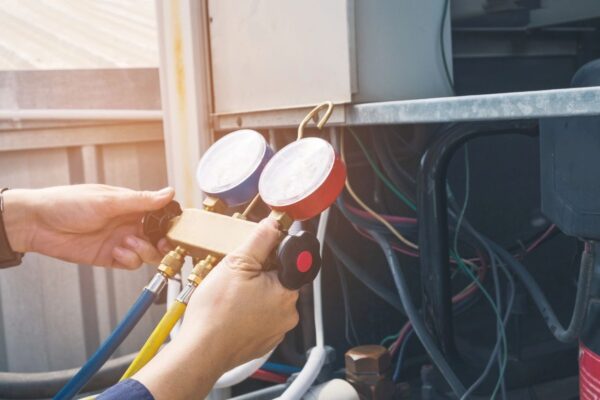
When we respond to an emergency AC repair in Orlando, our goal is to stabilize your system fast and keep your home safe. These visits usually start with a quick inspection and safety check to locate the source of the problem.
- We look for electrical failures, component breakdowns, and refrigerant leaks
- Common same-day fixes include replacing fuses, unclogging drains, or resetting controls
- Outdoor climate can affect how quickly repairs get done, especially with heat-sensitive parts or water around the unit
In most urgent cases, we can get the system running again during the visit. If a larger repair is needed, we talk through the next steps and prioritize your comfort as we move forward.
Preventing Repeat Breakdowns After an Emergency
A breakdown can be a wake-up call. Once it’s handled, spring is a good time to take a closer look at how your system is holding up. Light use during cooler months may hide growing wear that starts to show once things warm up.
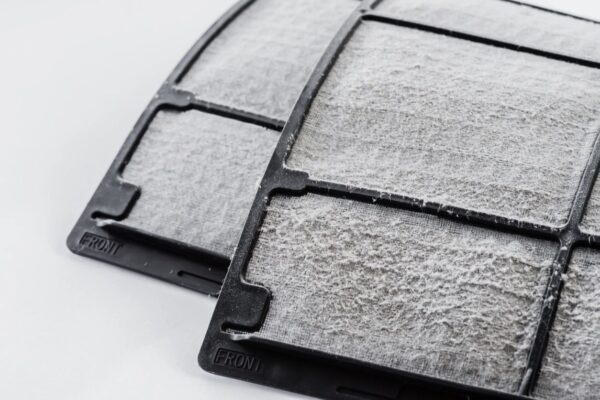
- Change air filters monthly if you use the system daily
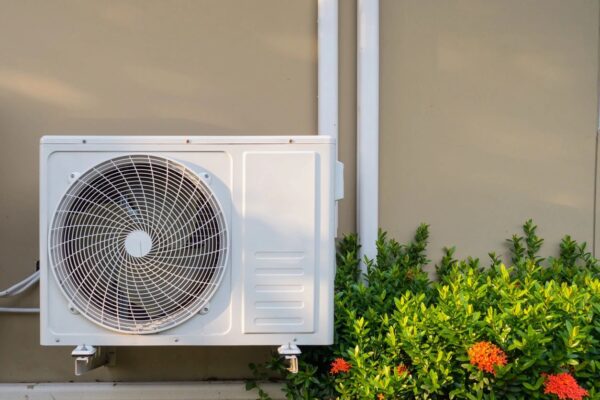
- Clear out dust and debris around the outdoor unit
- Schedule a seasonal maintenance checkup before summer is in full swing
- Have your ductwork inspected for blockages or leaks
These steps may seem small, but they do a lot of heavy lifting when it comes to keeping everything running smoothly.
Common Questions About Emergency AC Repairs in Orlando
What should I do if my AC stops working at night?
Check the thermostat and breaker. If the system isn’t responsive and outdoor temperatures are warm, call for emergency service.
How quickly can emergency AC repair service arrive in Orlando?
Response time depends on the time of day and demand. During peak heat, technicians often prioritize no-cool cases.
Is it safe to run a broken air conditioner?
No. Running a system that’s failing or leaking can cause more damage or safety hazards.
Can humidity damage my HVAC system if it’s off?
Yes. High Florida humidity can promote mold or mildew growth, especially when the system isn’t running for ventilation. Ask about indoor air quality services if your home has allergy or moisture issues.
Will I need a full system replacement after an emergency?
Not necessarily. If the core of the system is still strong, most issues can be repaired.
How much more does emergency service usually cost?
Emergency visits often include extra fees, depending on time and scope. Ask about costs before confirming a service window.
Should I turn the breaker off during an emergency?
If you hear buzzing, smell burning, or see sparks, yes. Otherwise, leave it on so the tech can diagnose the power to the unit.
What causes systems to fail in spring in Florida?
Long off-seasons, clogged filters, and quick transitions between heating and cooling are common triggers.
Can clogged filters trigger emergencies?
Yes. Blocked airflow can cause the system to overheat or freeze up, leading to shutdowns or part failures.
Do older ACs break down more often during season changes?
Often. Age adds wear, and switching modes can reveal parts that are near the end of their lifespan.
Don’t let an unexpected breakdown leave you sweltering in the Florida heat. At Roman Air Cooling and Heating, our team is ready to tackle any emergency AC repair with efficiency and expertise. Whether it’s a complete system failure or a minor glitch, we act swiftly to restore your comfort and peace of mind. Reach out today to experience reliable service that prioritizes your home’s cooling needs.