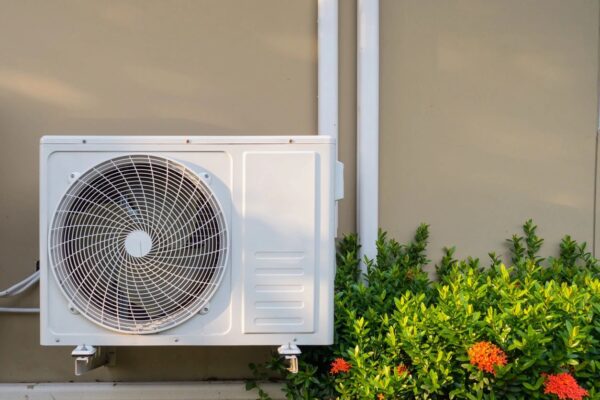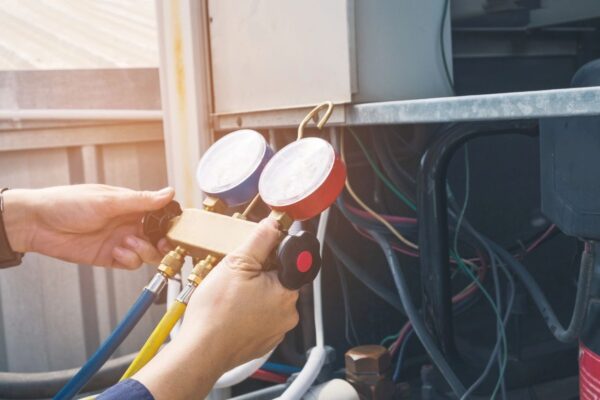

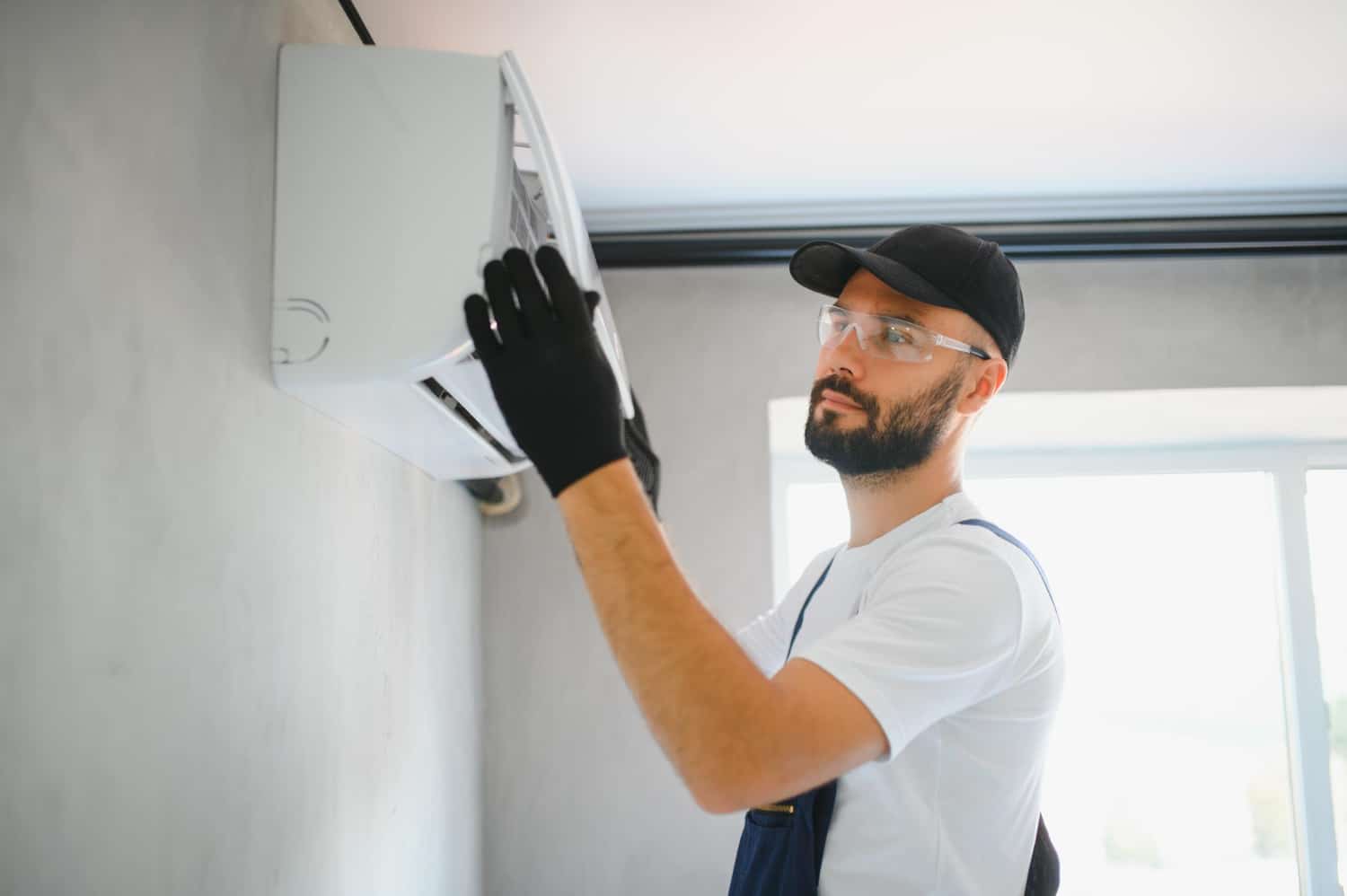
It might not be the middle of summer, but when your AC shuts down in the middle of a Florida winter, it still makes a difference. Even though the temperatures here rarely fall too low, cool nights and sudden dips can leave your home feeling sticky or stale fast. Sometimes your system gives out after pushing through fall without much attention, which is why keeping up with HVAC maintenance during moderate seasons is important. Other times, it’s just time catching up with the parts. An unexpected shutdown often calls for quick action, which is why staying prepared makes a big difference.
Knowing how to manage an emergency AC repair can save a lot of stress when cooler weather doesn’t leave you much wiggle room. Instead of waiting for things to get worse, it’s smart to understand what’s behind these kinds of problems and what you can do right away. The tips below can help you spot issues early, handle the first signs of trouble, and know when it’s time to call for backup.
Know the Common Winter AC Issues
Even in Florida’s mild winters, your AC can run into problems from lack of use or changes in weather. It might not be breaking down from the heat, but different stressors show up this time of year. Some of the most common ones include:
- Electric short-circuits that pop up during cold snaps or as moisture builds up around older wires or connections.
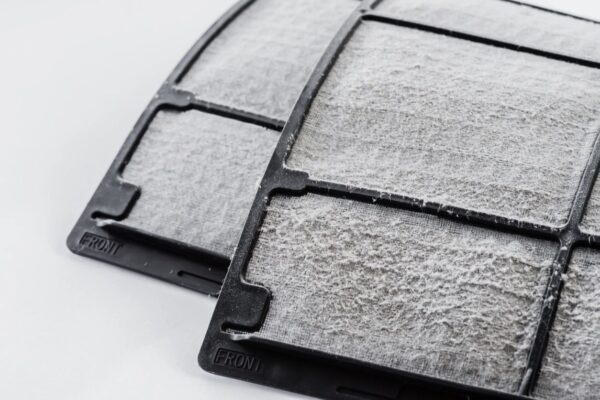
- Dirty coils or clogged filters from months of running the system without a cleanup. Dirt doesn’t take a season off, and if airflow drops, you’ll feel it.
- Trouble with the blower motor or miscommunication between the AC and thermostat. Sometimes, the system can’t decide if it should be cooling or adjusting to warm air settings, which causes it to short-cycle or shut off completely.
These aren’t always loud or obvious issues. That’s why it helps to pay attention to how your AC is acting, especially during a time of year when you’re not using it all day. Spotting small problems early often makes a big difference. If you notice your AC is noisier than usual, or if it releases a musty smell even when it isn’t on much, that’s sometimes a signal that there’s something going on inside that needs a closer look.
AC problems may seem less likely in winter, but components can age with time, causing them to fail when you least expect them to. Wiring can loosen a little at a time, and it might take a chilly night for a problem to show up. This is why it’s helpful to listen for changes in how your AC runs. A slight rattle or pause before starting could be a clue. If one room feels colder or more uncomfortable than the others, the system could be trying to tell you something before stopping altogether.
What to Do First When Your AC Stops Working
If your AC quits during a winter evening, it’s natural to wonder whether to panic or wait it out. The truth is, the earlier you act, the better you protect your system. Here are the first few things we recommend doing:
- Turn off the system. If the unit is struggling or clicking off and on, it’s better to shut it down than risk more damage.
- Check your thermostat settings to see if it’s switched to heat or got changed by mistake. Then, take a look at your electrical panel to make sure the breaker didn’t trip. Sometimes, it’s as simple as a quick switch reset.
- Look around the unit carefully. Sniff for odd smells like burning or moldy air. Listen for buzzing or grinding. If you hear or smell anything unusual, don’t try to restart it.
These early steps might not fix the issue, but they do give you safer conditions while you wait for help. They also help you avoid pushing the system past where it should go. Leaving the unit off until a professional arrives can prevent bigger headaches and higher costs later.
Sometimes, the problem is just a forgotten filter change or an off thermostat, but not always. If you do a simple check and things still seem wrong, it’s always safer not to guess at the issue. Older systems, or those that haven’t had regular care, may stop working all at once if a part fails. It’s better to play it safe, so never hesitate to turn off the unit and look for the next steps.
When It’s Time to Call for Emergency Help
There’s a difference between a system that’s acting funny and one that needs someone to check it right away. Here are some signs that you shouldn’t wait on:
- Airflow completely stops, and the unit won’t respond at all. If everything’s set right and power is fine, something inside might have failed.
- You smell something burning, hear banging or buzzing, or the system is cycling on and off much faster than normal. These are clear warnings that something’s not right.
- The AC shuts down at night when it’s already cold out, or someone in the home can’t handle temperature swings easily. In homes with seniors, small kids, or people with health concerns, comfort problems can turn unsafe quickly.
When we see these signs, we always recommend getting help as soon as you can. Systems tend to fail harder when ignored, and repairs grow more complex if the damage spreads. Even if things seem calm, strange smells or repeated shutoffs mean something needs attention right away. Don’t try to push through another night, hoping it will start up again. The risk to your comfort and safety just isn’t worth it.
Some homeowners worry about cost or inconvenience, but catching a problem early can make the repair process much simpler. An expert can often find the issue quickly, preventing a bigger breakdown and helping you get back to normal faster.
Preventing Sudden Winter Breakdowns
A lot of winter AC problems have one thing in common: they build slowly over time. Dust settles in, wires loosen, and filters clog. The quiet season is often when small issues get overlooked. But you still have ways to stay ahead of it.
- A fall maintenance appointment gives your system a check-up before cool nights set in. This makes sure any wear from summer gets handled before it becomes a winter breakdown.
- Vents, drains, and outdoor units collect leaves, twigs, and dust year-round. Clearing them out every few weeks helps airflow stay open and clean.
- Even if your AC isn’t running all day, filters still collect particles. Swap them out just like during summer. It keeps the air clean and helps the unit work less when it starts back up.
For cleaner operation all year, especially when the air gets stale in closed-up homes, it’s worth checking in on your indoor air quality guidelines too.
A little upkeep does more than keep your air cool; it helps with reliability during winter. By making small checks and cleaning here and there, you can help your system last longer and stay ready for the next season. Consistent filter changes also mean you’re breathing better air, and your AC isn’t working overtime. Many of the usual winter problems are easy to avoid with a few regular habits.
If you’re not sure what you should be looking for, pay attention to dust buildup on vents, and make a habit of checking the outdoor unit after windy days. Sometimes a simple cleaning clears up anything that could block airflow and strain your system.
Staying Comfortable Through a Florida Winter
Florida winters don’t get icy, but they’re just unpredictable enough to throw off your sense of indoor comfort. One day, it’s warm and mild. Next, a strong front moves through and drops the temperature enough to make you reach for the thermostat.
It’s these in-between conditions where systems tend to misfire or get ignored entirely. You might not notice the sluggish fan or weak cooling until the weather shifts enough to care. That’s why even in December, AC issues aren’t off the table. Staying aware and being ready to act keeps your home more stable and your head clearer when problems show up. Whether the system needs a reset or a full emergency repair, early signs and smart steps are usually the difference between a fast fix and a breakdown that lingers.
During those unpredictable weeks, keep an eye on your thermostat and listen for anything unusual from the system. Even a slight chill or sticky humidity can be your first sign that something is off. If things feel less comfortable and you can’t tell why, checking the simple stuff like vents and filters is always a good start. It helps keep surprises to a minimum and makes it easier to stay comfortable when Florida’s weather flip-flops unexpectedly.
When your AC decides to take an unexpected break during a chilly Florida winter evening, don’t leave your comfort hanging in the balance. Be proactive and ensure your home’s temperature remains stable and comfortable. Trust Roman Air Cooling and Heating to deliver prompt emergency AC repair when you need it most. Let us help you maintain a cozy environment while avoiding any hassle during those unpredictable cold snaps–contact us today.