

Indoor air quality affects way more than just comfort. It’s directly tied to how you feel every day, especially if you’re dealing with things like allergies, headaches, or poor sleep. Inside your home, the air might look clean, but it can hold on to things like pet dander, dust mites, or mold spores. These can build up fast, especially during Florida’s humid months. Breathing that kind of air every day can take a toll on how you feel over time.
Across Florida, more people are starting to pay attention to what they’re breathing. This isn’t only about staying cool with AC systems running—it’s about staying healthy too. The humidity, year-round pollen, and tightly sealed homes all make it easy for indoor air to go stale. That’s why it’s helpful to understand what poor air quality does to your body and what you can do at home to feel better. We’re covering common air quality issues, how they affect your health, and what steps can make your air safer.
Common Indoor Air Quality Issues in Florida
Living in Florida means dealing with some pretty specific air quality concerns. The warm, humid climate and local plant life contribute to several issues that show up inside your home. You might notice the signs—dust gathering too quickly, strange smells in certain rooms, or feeling stuffy indoors—but not always connect it back to the air itself.
Here are a few common indoor air quality problems Florida homes face:
– Dust, pollen, and allergens: Pollen gets inside easily, especially in spring and fall. Even with windows closed, it can come in on pets, shoes, or clothes.
– Mold and mildew: High humidity in Florida can lead to dampness in places like bathrooms, laundry rooms, and closets. That makes it easier for mold and mildew to grow.
– Poor ventilation: To keep cooling costs low, many homes are sealed tight. But this also stops fresh air from coming in, which means pollutants tend to stay trapped inside.
– Pet dander and hair: People with dogs or cats often deal with dander in the air that sticks to furniture and surfaces. Without clean filters or regular cleaning, this builds up fast.
– Smoke and kitchen fumes: Cooking, especially on a gas stove, releases smoke and small particles. Without proper airflow or vents, those pollutants spread throughout the house.
Sometimes, these issues stack up. For example, humidity helps dust stick to surfaces, where it holds on to allergens. Add in poor airflow and the problem gets worse. Finding these issues early gives you a better chance of fixing them before they affect your comfort or health.
How Indoor Air Quality Affects Health
Your home should be your place to relax, but if the air inside is filled with allergens or moisture-based pollutants, your body will feel the effects. The trouble is, many of the symptoms tied to bad indoor air are easy to overlook or blame on something else.
Poor air quality can impact you in several ways:
1. Breathing issues: Anyone with asthma or allergies might find their symptoms getting worse inside the home. Even if you don’t have a condition, stale or dusty air can leave your lungs irritated.
2. Tiredness and headaches: Polluted air can make you feel foggy or tired more often. People sometimes don’t realize the connection and just assume they didn’t sleep well or had a busy day.
3. Sleep problems: If you wake up with a dry throat or stuffy nose, poor air might be behind it. Sleep quality can dip when you’re breathing in irritants all night.
4. Longer-term effects: Over months or years, poor air can contribute to sinus infections, chest discomfort, and other lingering problems.
One Florida homeowner mentioned her kids always seemed groggy and congested, especially in the morning. Eventually, she found mold behind a wall-mounted AC unit. Once it was cleaned up and filters were changed, things started to improve quickly.
The health impacts of poor indoor air aren’t always loud or obvious. Instead, they creep in slowly. That’s why it’s useful to notice how you feel at home and take early steps when something seems off.
Ways to Improve Indoor Air Quality
Tackling indoor air quality in Florida means having a few habits in place and combining them with the right equipment. Thankfully, these steps don’t have to be complicated.
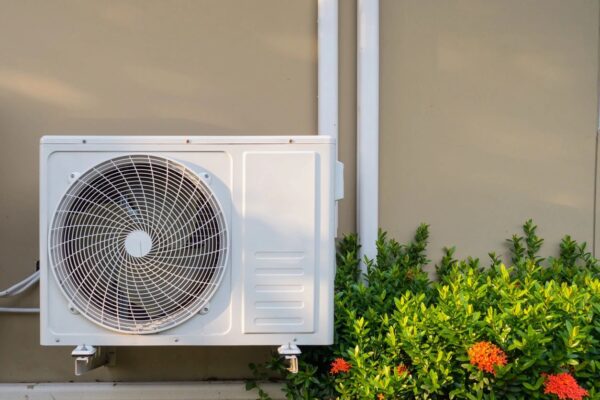
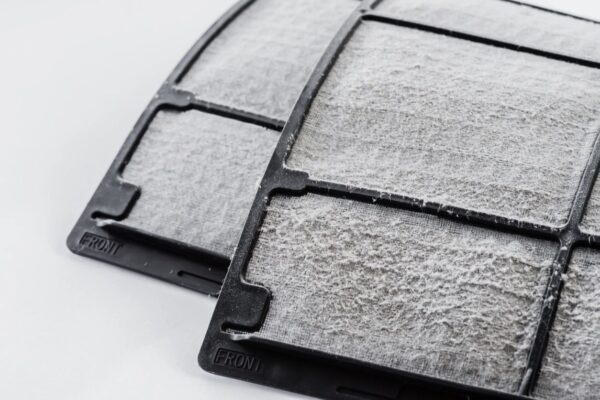
Start with regular HVAC maintenance. Your air conditioning and heating systems pull in and filter air every day, so when they’re dirty or worn down, they can spread pollutants instead of stopping them. Making sure filters are clean and parts are working helps keep your air clean and your system running strong.
Next, add tools that help reduce what’s floating in the air. Air purifiers and dehumidifiers make great additions in Florida homes. An air purifier collects small particles and allergens while a dehumidifier holds moisture in check so mold can’t grow. Just make sure you pick models that fit the size of the space and are easy to run.
Don’t forget to help your house breathe. Good ventilation is just as important as cleaning. Even opening windows on cooler days or running your kitchen’s vent hood during meals can help swap out old air for fresh air. Bathrooms and laundry areas also benefit from exhaust fans or cracked windows to move humidity out.
Keeping air moving, limiting moisture, and filtering what comes in all add up to cleaner indoor air and fewer health concerns.
The Role of Professional Services
Some air quality problems aren’t easy to catch on your own, and that’s where professional help makes a big difference. If you’re noticing unusual smells, if symptoms stick around, or if dust keeps piling up even after cleaning, it may be time to bring in an expert.
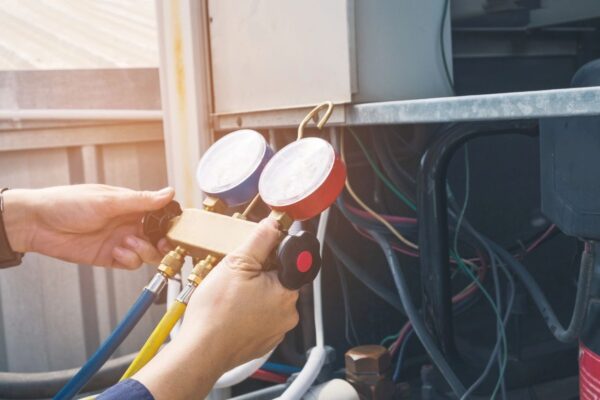
Professional inspections are helpful because they look into places you might not check, like inside your ducts or deep in the AC system. Trained technicians can track down where issues start and fix the source. That can prevent the same issues from repeating year after year.
Professional duct cleaning and HVAC upgrades are another smart move. These services take cleaning deeper than surface work, getting into the parts of your home where dust and pollutants collect most. When systems are fully cleaned and upgraded, they run more efficiently and trap more contaminants.
Roman Air Cooling and Heating also provides maintenance plans that include regular check-ups and filter changes. These plans catch issues early and take the work off your plate, making it easier to stay on top of clean air routines. Many homeowners see long-term improvements when they have regular support.
A Healthier Florida Home Starts with Clean Air
Living in Florida has its perks, but it also brings high humidity, pollen, and temperatures that make indoor air harder to manage. By taking active steps to protect the air inside your home, you’re setting up a space that’s more than just comfortable. You’re building a healthier place to live and rest.
Even small changes can lead to better sleep, fewer allergy flares, and more energy throughout the day. Professional services, clean systems, and better airflow all work together to support your well-being. And when you’ve got peace of mind about the air you’re breathing, it’s easier to enjoy everything else.
Your air matters. Take care of it, and it’ll take care of you.
For Florida homeowners aiming to maintain a healthy indoor environment, paying attention to indoor air quality is key. At Roman Air Cooling and Heating, we’re dedicated to helping you enjoy cleaner and healthier air in your home. Learn how our indoor air quality solutions can keep your space fresh and comfortable year-round. Reach out to our team to see how we can help with your home’s specific needs.