
For Florida homeowners, cooling isn’t something we think about seasonally; it matters nearly all year. The mix of heat and humidity means our indoor comfort needs stay pretty steady, even in February. As spring approaches, some families start to evaluate whether their current system still works for their home, especially if they’ve made renovations or added rooms. That is when the conversation around traditional HVAC and ductless options like a mini-split AC gets more relevant. Both systems are designed to cool, but they do it differently. Each comes with its own cost, space, and energy considerations. Choosing the right one really depends on how you live, the size of your space, and the kind of comfort you’re after.
How Each System Works: Mini Split vs. Traditional Central Air
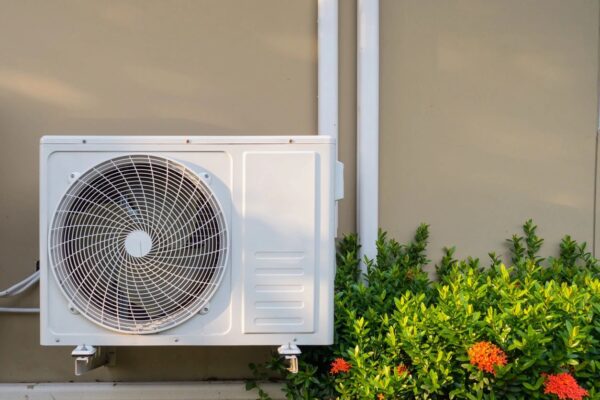
A mini-split AC system uses a simple setup: a wall-mounted indoor unit, and an outdoor compressor connected by a conduit. It doesn’t need ductwork, which makes it a great choice for homes that don’t have existing central air or for rooms that aren’t connected to the main HVAC system. These systems are typically used to cool individual rooms and can run more than one indoor unit off the same outdoor unit.
Traditional central air uses a large outdoor unit connected to a network of ducts that push air throughout the entire house. It cools all rooms at once, which works well for evenly sized homes that don’t need zoning.
A big difference is how the air moves. Ductless systems cool specific areas directly without energy loss from long duct runs. Traditional systems maintain consistent temperatures across rooms but rely heavily on duct design and condition.
Understanding the basics of both systems gives you a clearer picture of what might fit best into your current living space and lifestyle. Many new Florida homebuyers are curious about the flexibility that comes with adding a mini-split system, especially for bonus rooms, enclosed patios, or other spaces that might not connect easily to a home’s existing central ductwork.
Energy Use and Efficiency Differences
Cooling a Florida home efficiently matters, especially as temperatures climb earlier in the year. Mini-split AC systems often give homeowners more control by letting them cool only the rooms in use. This zoning feature means you’re not paying to cool empty bedrooms in the middle of the day.
Traditional systems operate as a one-size-fits-all solution. If someone in the house is always cold and another person is always hot, adjusting the thermostat usually only offers a middle ground.
Because mini-split units don’t depend on ducts, they avoid energy losses tied to leaky or poorly insulated ductwork, something older homes may struggle with. You can learn more about the energy efficiency of ductless mini-split systems and how they work best in zoning-focused homes.
Traditional central air still works well when properly installed and maintained, especially in homes designed for it.
Efficiency is especially important during Florida’s long cooling season. Over time, even small losses through ductwork can increase energy use and costs. Mini-splits address this by supplying cooled air right where it’s needed, skipping the long runs of duct that can heat up in attics or crawl spaces.
Installation and Space Considerations
Installing a mini-split AC takes less remodeling, especially in homes without existing ductwork. All it requires is a small hole to connect the indoor and outdoor units. Some homeowners prefer this if they’re adding finished basements, garages, or sunrooms where they want independent temperature control.
Traditional systems can be more challenging to install in older or uniquely shaped homes. Running ductwork involves ceiling or attic access and often some design rearrangement. It can work well when building a new or replacing an already existing central system.
The layout of your home, how many levels you have, and how many rooms you want cooled all come into play. Ductless units offer more pinpoint control, while central air systems provide full-home air conditioner services for larger or more uniform spaces.
With mini-split AC, installation is usually finished quickly, and the system can be expanded if homeowners add more rooms or want additional cooling zones later on. This makes it a common choice in homes that have gone through remodels or where the need for cooling has grown.
Traditional central air may require bigger updates if the home doesn’t already have ductwork or if the current system can’t keep up. Designing the duct network for airflow, efficiency, and quiet operation adds to installation time but can give excellent results when matched to the needs of large, open Florida homes.
Maintenance and Long-Term Care
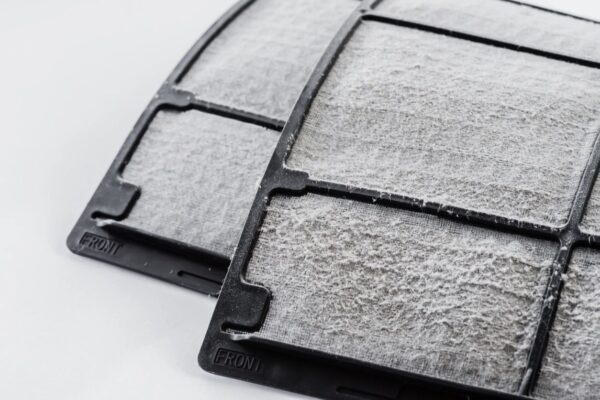
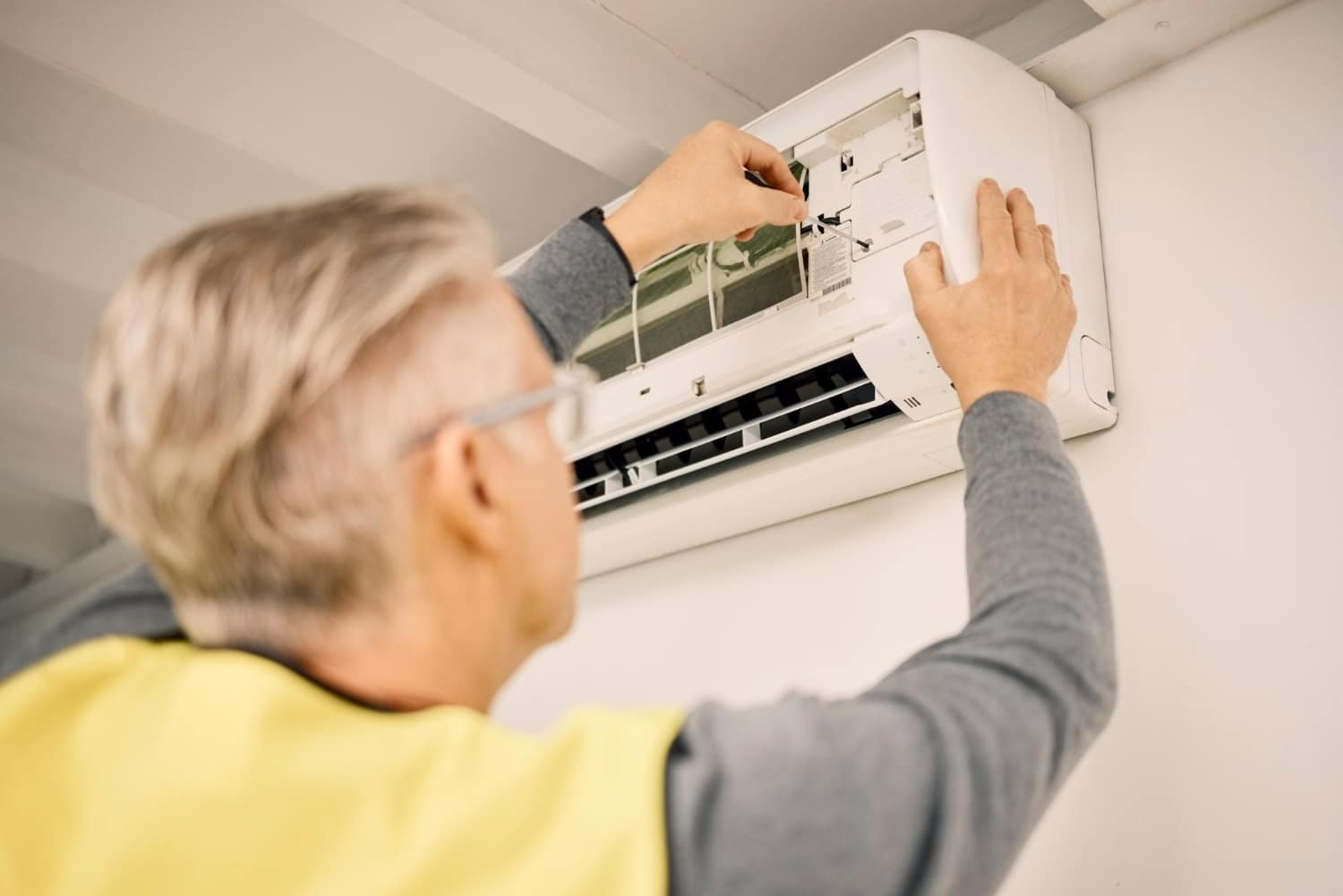
Every system needs regular attention to work well over time. Mini-split systems require filter cleaning more frequently since they often run year-round in Florida. Units mounted high on walls may need a step stool and a little regular effort to keep clean. Technicians check refrigerant levels, electrical components, and drain lines during annual visits.
Traditional AC systems also need filters changed every month or two, especially with all the spring pollen Florida brings. Ducts may need occasional cleaning, particularly in homes with pets or allergies. You may also want to evaluate how airflow relates to indoor health by considering solutions like indoor air quality services to reduce allergens and odors across either system.
Traditional systems have more parts tied into one assembly, so when something breaks, it may affect comfort in the whole house.
When looking at lifetime maintenance, simplicity favors mini splits in smaller homes or single-zone use. In larger homes with existing ducts, central systems still have a track record for stability when properly serviced.
Keeping up with cleaning and checks helps both systems last longer and run more quietly. Homeowners should expect to invest in annual checkups and regular filter changes, no matter which approach they choose. The number of indoor units in a ductless system may mean a bit more individual cleaning, but the tradeoff is often lower utility bills and more reliable comfort.
Which System Fits Florida Living Best?
Florida weather doesn’t give us huge temperature dips, but it does load up the air with humidity for much of the year. Comfort here means more than just cooling; it means consistent airflow and humidity control.
Mini-split systems are good for adjusting by zone. If the main living room gets direct sun all afternoon, that zone can run stronger while the bedrooms stay off until evening. That kind of control often feels better in homes with varying daylight exposure.
Central air systems work more smoothly when the home is sealed and the ductwork is newer. In homes with drafty rooms or poorly designed duct networks, airflow can be uneven, leaving parts of the house warmer.
Humidity is another factor. Some mini-split units help manage it, but if dehumidification is a major concern, pairing any system with a dehumidifier may be better for year-round comfort.
Choosing the best fit depends a lot on how a family uses their home. A house that’s constantly in use from wall to wall may suit one system, while one with just a few active rooms may get more value from zoned cooling. Taking stock of your daily patterns helps make the decision clearer.
Making the Right Choice for Your Comfort
When it comes down to it, choosing between these systems is about how you live day to day. Mini splits fit well in homes with focused needs or growing spaces that are hard to connect to central air. They’re simple, flexible, and quick to install.
Central air can offer a more familiar setup for families who want one system to do it all. If your home has solid ductwork and your layout supports it, a traditional system may still be the most cost-effective way to stay cool.
No system is right for every home. What matters most is how well that choice fits your space, habits, and long-term plans. A good setup won’t just make you cooler; it’ll make your home feel better year-round.
Upgrade your cooling experience with the flexibility and efficiency only a mini-split AC can offer. Whether you’re expanding your living space or improving comfort in an existing room, Roman Air Cooling and Heating is here to help guide you through your options. Say goodbye to the limitations of traditional ductwork and embrace personalized comfort tailored to your lifestyle. Contact us and make the most of Florida’s climate with a system that adapts to your needs today.