

When we talk about keeping your AC working well, it’s easy to think about filters or thermostats and forget about one big part: the coils. These are the hidden pieces that collect heat from inside and move it outdoors. If the coils stay clean, your system runs more smoothly. But once dirt, dust, and grime start sticking, the air can’t move properly, and the whole system struggles.
This is where an AC coil cleaner comes in. It’s made to break up and wash away the gunk that gathers over time. Using it the right way can keep your coils in better shape heading into Florida’s hottest months. And now, just before spring, is the perfect time to make sure your system is clean and ready to go. It’s also smart to pair this activity with your regular professional AC maintenance services to keep everything running smoothly.
Why Coil Cleaning Matters for AC Health
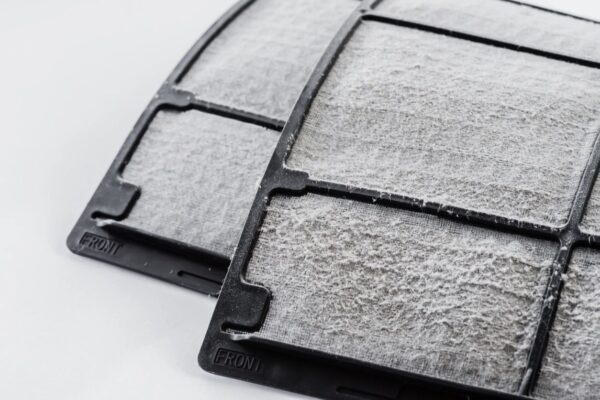
It doesn’t take much buildup to slow down an AC. Dirt on the coils acts like a block. It limits how well the coil can pull heat from the air, which makes your unit work harder than it should. You might start to notice your house not cooling as quickly, or your energy bills creeping up even though temperatures haven’t changed much.
Here in Florida, extra moisture in the air mixes with pollen and everyday dust, and that mess sticks. Once grime starts collecting on the coils, airflow is restricted. The harder your system pushes to overcome that, the faster parts wear out. It becomes a cycle where performance drops little by little until there’s a breakdown.
Regular cleaning helps break the cycle. It lets coils absorb heat like they’re supposed to, reduces strain on other parts, and can help you avoid bigger problems later in the year. A cleaner coil doesn’t just make things cooler. It makes the whole system stronger for longer. With each season, keeping those coils clean helps the system hold up better against Florida’s changing weather and makes your indoor environment feel more comfortable day to day.
Types of Coil Cleaners and Picking the Right One
There are plenty of coil cleaners out there, and they’re not all the same. The most common types are:
- Foaming cleaners: These expand as they spray, which helps lift dirt from tight spots. They work well for outdoor units where you can rinse them off easily.
- Liquid cleaners: These are more fluid and often used in indoor systems that need light maintenance. Some are rinseless, meaning they dry out and leave no mess if applied correctly.
- Aerosol sprays: These are convenient and easy to use, especially for quick touch-ups, but they may not be strong enough for heavy buildup.
Different systems call for different types of cleaning. Outdoor coils can usually handle stronger products, while indoor parts need something gentler. You also want to be careful about strong smells or reactions. If your cleaner smells sharp or causes throat or eye irritation while applying, it may be too harsh for indoor use. Always check if it’s meant for the kind of system you’re working on. By understanding your system and product, you can choose the safest and most effective option for your home.
How Coil Cleaning Fits Into Year-Round AC Care
Deep winter might not mean freezing days in Florida, but it still gives our AC systems a bit of a break. That makes this late-winter stretch a smart time to catch up on maintenance before the warm weather kicks back up.
We like to treat coil cleaning as part of a larger care routine, right around now. When the system doesn’t run full throttle every day, cleaning coils, swapping filters, and checking airflow gets easier. It’s less stressful on the equipment and on you. Keeping routine care simple helps you spot problems before the busy season, so you can enjoy a steady temperature inside when things start heating up outside.
Here’s how coil cleaning fits into that seasonal rhythm:
- Clean before your system starts running every day again (usually early spring).
- Match it with a fresh filter change and a quick look at duct openings.
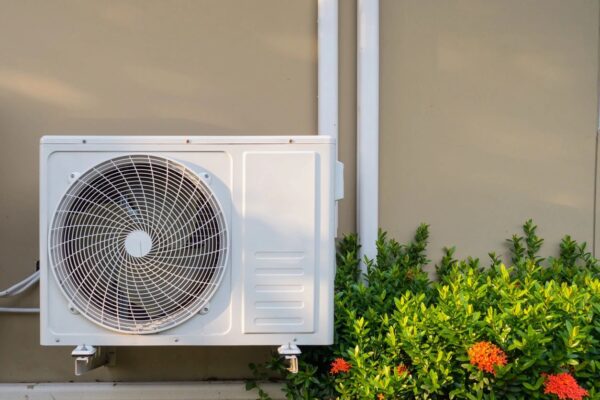
- Clear plants, leaves, and yard buildup around the outdoor unit so there’s space to breathe.
This kind of care helps keep airflow balanced once the cooling season comes back. If everything is functioning clean and clear, you’re less likely to feel that slow lag when temperatures rise. Following a simple routine like this one, aligned with this HVAC maintenance checklist for optimal performance, can make a big difference in how your system runs through the year. It’s a good opportunity to keep up with a basic cleaning schedule and adjust for any changes that happen as the seasons shift.
If you step outside, you might also notice twigs, grass, or trash collecting around your outside AC unit. Taking a few minutes to clear this away helps airflow and lets your system cool the home more efficiently. As you move into spring, routines like wiping the vents, changing your filter, and making sure your system sounds normal are all helpful habits to keep your AC working its best. Each minor step adds up to better performance and fewer surprises down the line.
Signs It’s Time for a Professional Cleaning Instead
Even when you’re doing regular maintenance, there are times when a deeper problem is hiding behind the mess. If using an AC coil cleaner doesn’t seem to help, or if the same problems come back fast, your system might need more than surface care.
Watch for signs like:
- Air doesn’t blow as strongly as it used to, even with a clean filter.
- Some rooms get cool, but others feel warm or sticky.
- The air smells damp, musty, or just off, even after running the system.
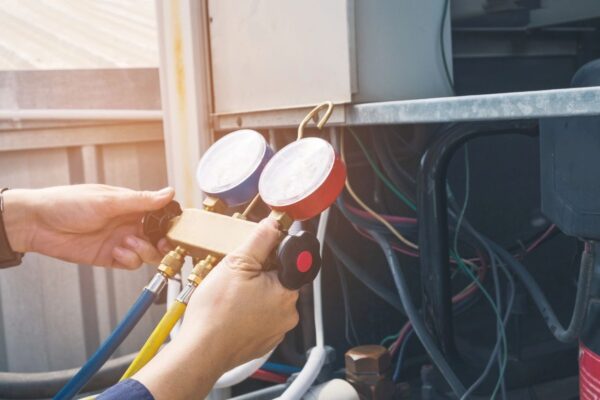
These can be signs that the buildup goes beyond the surface or that parts of the system are worn out or misaligned. If the same symptoms keep showing up shortly after cleaning, it’s probably best to stop and have your coils checked by someone trained. That way, if there’s corrosion or a deeper blockage, it can be handled without damaging parts further.
These issues may also indicate larger system concerns, especially if you’re using older units or ductless AC systems that have different airflow demands. Pay attention to any strange noises like rattling, hissing, or banging, since these may suggest parts are loose or worn. If you notice ice building up around the exterior unit or water pools underneath, it means moisture isn’t draining as it should, another clue that there’s more going on than dirt alone. If your thermostat seems to lose accuracy, or your indoor air feels heavy and humid, the coils may be struggling even with regular cleaning.
Trying to spot these issues early makes a big difference. Acting before they grow keeps repairs low and extends your system’s life. Even a well-maintained AC can hit snags, so don’t ignore the signs. Watching for these trouble spots is an important part of getting the most out of your air conditioning.
Keep Your AC Running Clean and Strong
Coil cleaning might seem like a small thing, but it goes a long way. Taking time to clear out buildup now, right before spring kicks off in Florida, helps keep your whole system smoother when demand jumps.
Your AC works hard all year in this climate. Even in the winter months, we see warm afternoons that make the unit kick in again. Keeping the coils clean supports the rest of the system and helps avoid trouble later on. When the air flows right and the coils pull heat without strain, the whole system stays steadier, cooler, and better ready for the months ahead.
When your AC coils are clean but cooling inefficiencies persist, it might be time for more comprehensive maintenance. Florida’s intense heat can exacerbate issues not apparent on the surface, so addressing them quickly can make all the difference. Roman Air Cooling and Heating offers professional services tailored to boost your system’s performance and longevity. Consider scheduling an expert evaluation of your system today to ensure that our AC coil cleaner service is the solution you need for optimal cooling efficiency.