
When your furnace won’t start, it can throw off your whole day and your comfort along with it. A home that once felt perfectly toasty can quickly turn chilly, especially as fall turns into winter. Nobody wants to bundle up indoors while wondering why the heat isn’t kicking on. If you’re staring at a silent furnace with no idea where to begin, you’re not alone. This is a pretty common issue when the weather changes and systems have to work harder.
There are several reasons why a furnace might not start. Some are simple, like the thermostat being off or a tripped breaker. Others might be more serious. The good news is that you can look at a few key spots yourself before picking up the phone. Here are the most likely problem areas to check so you can get a better idea of what might be going wrong.
Check The Thermostat
Start with the basics. The thermostat often gets overlooked because of how easy it seems, but it controls the whole heating system. If it’s not working right or is set incorrectly, nothing will happen.
Start by checking that the thermostat is set to “heat.” That may seem obvious, but settings can get changed without anyone noticing. Kids, guests, or even a quick cleaning can change it by accident.
Next, look at the temperature setting. The furnace only turns on when the room drops below the target temperature. Try increasing the setting by a few degrees and wait to see if it powers up.
Other things to watch out for:
– Low or dead batteries, especially if your thermostat runs on them
– Pre-programmed timers that may need to be reset after a power outage or daylight saving changes
– Faulty wiring or a loose connection if the screen is blank or flickering
Think of your thermostat as the command center. If the signal isn’t being sent clearly, the furnace won’t know to respond. Making sure it’s powered up and sending the right instruction could solve the problem quickly.
Inspect The Power Source
If the thermostat looks fine, your next stop should be the power source. Even gas furnaces rely on electricity to run certain components like the blower and control panels. No power means no heat.
Here are a few things to check:
1. Circuit breaker: Head to the electrical panel and find the breaker labeled for the furnace. If it looks like it’s tripped, switch it fully to the off position, then back to on. Power dips or surges can trip breakers without warning.
2. Furnace switch: There’s usually a basic wall switch near the furnace that looks like a standard light switch. If it was turned off by mistake, the furnace won’t run.
3. Blown fuse: In setups that still use fuses, a blown one could stop the power completely. This might take a little more experience to check safely and should be handled cautiously.
Small mishaps can be the culprit, like a homeowner who unknowingly flipped the furnace switch off while storing a ladder. Two cold days later, the problem was solved with a simple flip of the switch. Always double-check electrical connections before assuming the issue is something more serious.
Examine The Air Filter
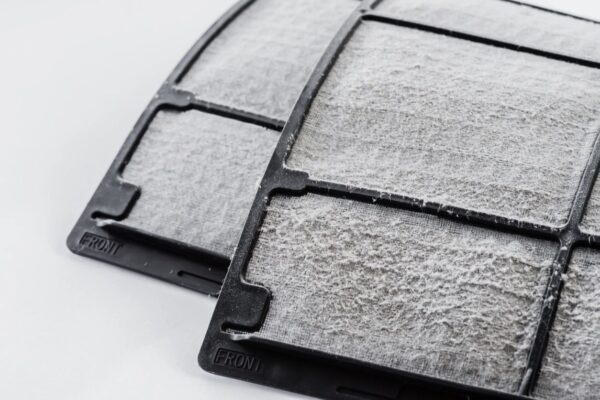
A very common issue when furnaces won’t start the way they should is a dirty or blocked air filter. The filter may seem like a tiny part, but it does a big job—keeping dust and debris out of your air and off of internal parts.
Over time, the filter fills up and gets harder for air to pass through. When that happens, the system can overheat and shut down to protect itself.
To check the filter:
1. Find the return air duct or look near the blower cabinet to locate where the filter sits.
2. Carefully slide it out and hold it up to the light. If little or no light passes through, it’s likely too dirty.
3. Replace the filter with a new one that matches the same dimensions and type.
Filters usually need to be replaced every one to three months depending on how often the system runs and whether you have pets or allergies. Clean filters not only help performance but make the air in your house feel fresher too.
Look At The Furnace Flame
Your next inspection point should be the furnace flame. It might feel a bit technical, but this is a quick way to get visual feedback on how your furnace is burning fuel.
Look through the small window located on the front or side of the furnace. The flame should be blue and steady. Blue flames mean the furnace is operating safely and efficiently.
If you notice a yellow, orange, or flickering flame, there could be a problem. This might point to incomplete combustion, a dirty burner, or improper ventilation. These kinds of issues can be dangerous, so don’t try to fix the flame on your own.
When the flame isn’t right, turn off the system and call a professional technician right away to inspect further and make necessary repairs.
When To Call A Professional
There are times when DIY checks won’t solve the problem. Certain furnace issues should always be handled by a licensed technician who knows what to look for and how to fix it safely.
Here are a few signs you need expert help soon:
– A furnace that turns off and on in short bursts, without fully heating the home
– Odd sounds like banging, buzzing, or squealing
– A gas smell inside your home
– You’ve tried the basic checks and still can’t get the heat to work
Trying to fix these more complicated things without training can make the problem worse or even put your safety at risk. A trained HVAC professional can inspect your unit, find the underlying cause, and safely get your furnace back to working order.
Keeping Things Warm and Worry-Free
Knowing what to check when your furnace won’t start can save time and hassle. A working thermostat, a clean power source, an unclogged air filter, and a healthy flame are all key parts to a comfortable, heated home. Keeping an eye on each of these helps keep your furnace in better shape year after year.
Sticking to a regular maintenance routine can help avoid those chilly surprises before they begin. Changing filters, testing your thermostat, and booking seasonal check-ups are all good habits to get into.
But even the best-kept systems can act up sometimes. When that happens and the fix isn’t in your wheelhouse, it’s smart to bring in someone who knows exactly what to do. Staying warm through the Florida winters doesn’t have to involve trial and error. Sometimes, it just takes a quick call to a trusted pro.
If your furnace is still giving you trouble, let the team at Roman Air Cooling and Heating help. We offer expert furnace repair to get your system working safely and reliably again so you can stay warm and comfortable all season long.