
Choosing a new AC system isn’t something folks in Florida take lightly, especially with how much time we spend relying on it year-round. Whether your old system is on its last leg or you’re setting up a new place, picking the right unit can make a huge difference in your comfort and costs. The right fit keeps your home cool and your energy use in check while the wrong one might leave you sweating and spending more than you should.
Spending smart starts with a proper AC installation. You could have the most energy-efficient system out there, but if it’s installed wrong or not the right size, it won’t do its job the way it’s supposed to. Putting in the time now to make the right choice saves you a lot of trouble down the line and helps keep things cool when it really counts.
Assess Your Cooling Needs
Before looking at any systems, figure out what your home actually needs from an AC unit. Jumping into a purchase without this step is kind of like buying shoes without knowing your size. What works for your neighbor’s house might not be right for yours.
Here are a few things you’ll want to consider:
– Size of your home: Bigger homes need AC units with more cooling power. But going too big can waste energy, cycle improperly, and leave you with uneven indoor temps. Too small, and it’ll struggle to keep up.
– Type of insulation: Homes that hold in cool air better won’t need as strong of a system compared to places that let cold air escape faster.
– Number of windows and direct sunlight: More windows and direct sunlight heat things up quickly, which means you’ll need a system that can handle the extra work.
– House layout: A single-story open space cools differently than a multi-level home with lots of rooms. You might need zoning or other special features depending on the setup.
– Your preferences: Some people like their homes ice cold, others prefer just enough chill to stay comfortable. Think about how cool you typically like your home before choosing.
Living in Florida means heat and humidity stick around into the fall. Even by mid-October, you’re still using your AC often, so it helps to choose one that’s made to run regularly and handle heavy use. Don’t just go by brand names or what someone else picked. Your household’s comfort depends on how well the system matches your daily routine and home structure.
Types Of AC Systems And What To Know
Once you’ve thought through your home and cooling needs, the next step is sorting through AC options. There are a few common types on the market, and each one works best in different spaces or situations. Here’s a simple breakdown:
1. Central Air Conditioning
– Great for larger homes with existing ductwork
– Cools the entire house evenly
– Can be more expensive up front and to maintain
2. Ductless Mini Split Systems
– Perfect for homes without ductwork or rooms that need separate temperature control
– Offers zoning, so you only cool the spaces you’re using
– Typically easy to install but might not be as sleek-looking as central systems
3. Window Units
– Good for small spaces or temporary use
– Cheaper in the short term
– Noisy, blocks natural light, and not ideal for long-term comfort
4. Portable Units
– Moveable from room to room
– Good for renters or temporary cooling needs
– Generally less efficient and take up floor space
Each system has trade-offs. For example, someone in a smaller Florida condo without central ducts might do well with a mini split, especially if they want quiet cooling in the bedroom without fussing over the living room at night. On the other hand, a family with a multi-bedroom house might stick with central air if their ducts are in good shape. It all comes down to what you need out of your cooling setup, how your home is built, and how much time you spend indoors.
Installation Process
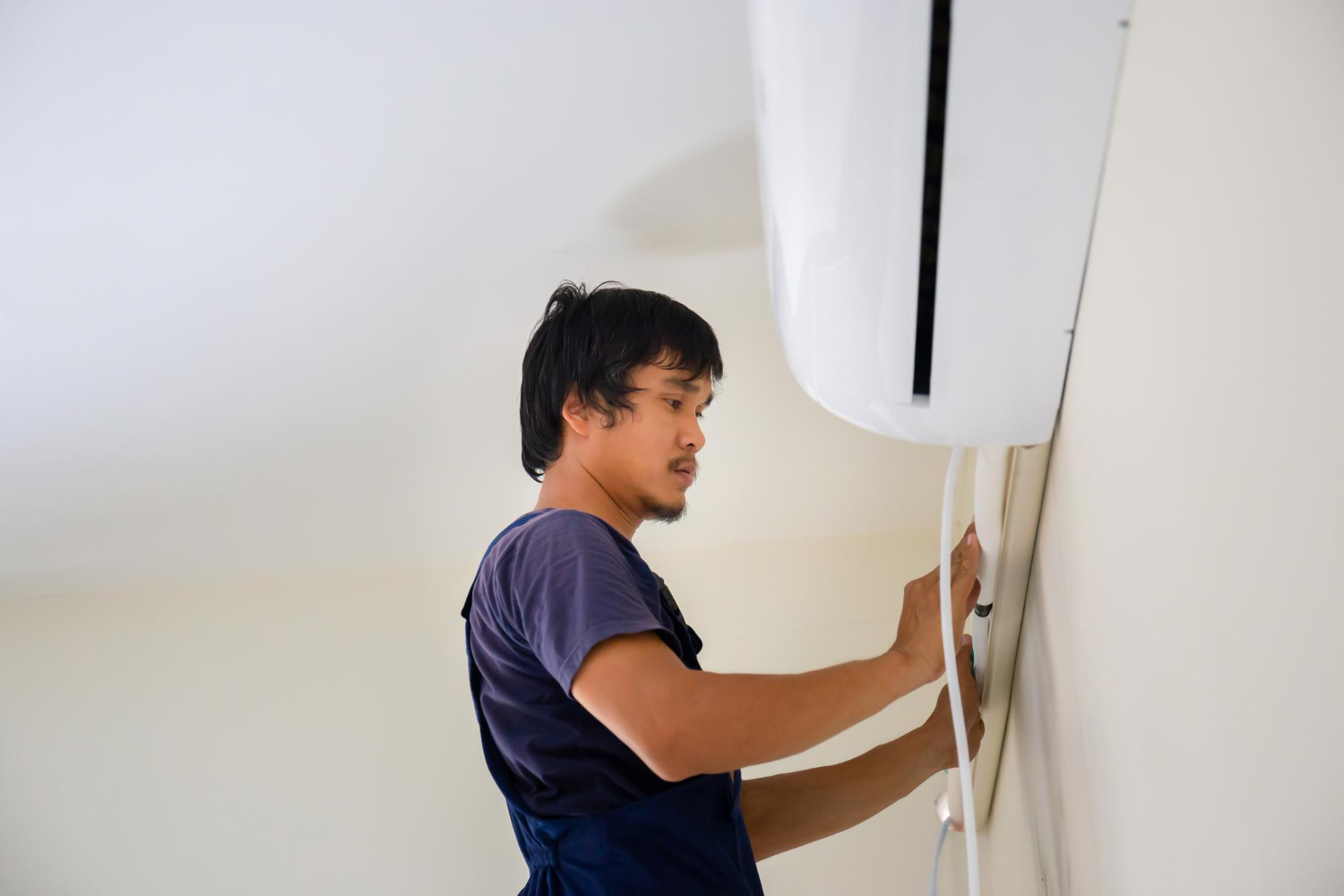
Understanding what to expect from the AC installation process can prepare you for a smoother experience. First, professional HVAC technicians will evaluate your home’s current electrical system and ductwork to check if it works with the model you’ve chosen. They’ll recommend any upgrades or adjustments needed to boost efficiency and safety.
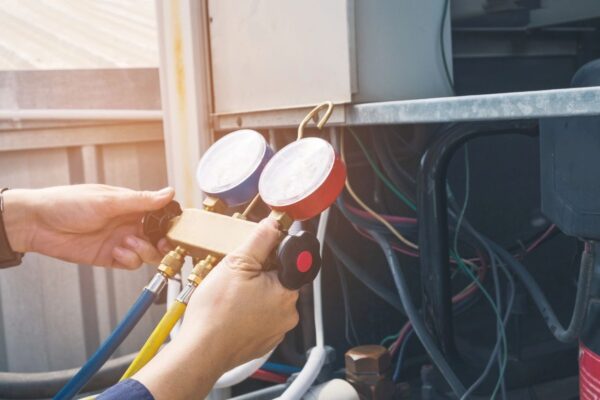
A typical installation includes placing the indoor and outdoor units, running refrigerant lines, wiring components, and making sure drainage flows smoothly.
Here’s what usually happens:
– Site inspection and preparation to get everything ready for installation
– Equipment placement to ensure the indoor and outdoor pieces are positioned for best performance
– Connecting all system parts including the power source, refrigerant lines, and condensate drain
– Testing the entire setup to make sure it’s running right, with no leaks or hiccups
– Going over the controls and operation with the homeowner so you know how everything works
All these steps help make sure your system is good to go from day one. When a well-trained technician does the job, everything runs more smoothly, and the unit starts strong without wasting energy.
Maintenance Tips For Longevity
After you get your new AC in place, it’s a good idea to give it regular care. A few straightforward habits and professional check-ins can keep it working better for longer, and help you avoid surprise breakdowns.
Think of it like a car. Even a brand-new ride needs oil changes and simple care to stay in shape.
Here are some ways to keep your AC going strong:
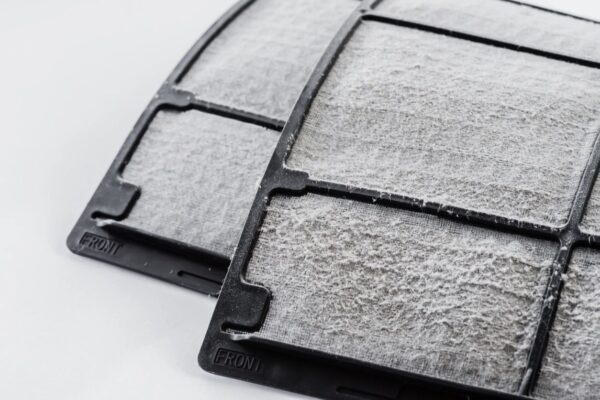
1. Change the air filter regularly. A clean filter helps air flow better and keeps dirt from sneaking into your system.
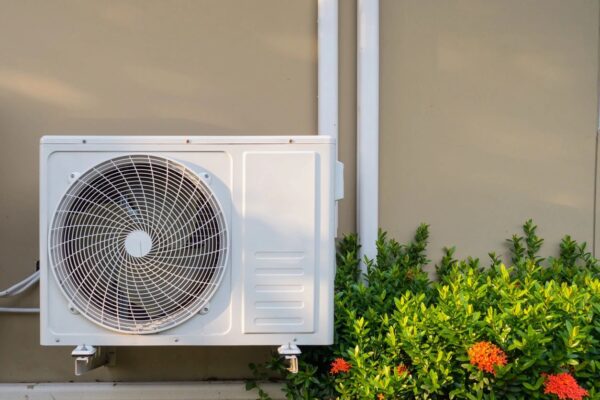
2. Keep the outdoor unit clear. Don’t let weeds or leaves build up around it—this helps air move freely in and out.
3. Clean the coils now and then. Dirty evaporator or condenser coils make the system work harder than it should.
4. Check the condensate drain. If this gets blocked, you might end up with extra moisture in the house or even water damage.
5. Schedule regular checkups. A licensed HVAC technician can catch small issues early before they turn into big expenses.
These small steps help you maintain steady comfort at home while sparing your system extra wear. The better you take care of it, the longer it will serve you well.
Keeping Your Cool Without the Stress
Florida’s weather makes having the right air conditioning a daily need, not just a summer luxury. Choosing the right system, getting it installed correctly, and staying on top of maintenance can make a big difference in how comfortable your home stays.
A well-chosen AC helps manage your indoor air quality, cuts down on humidity, and makes your space a lot more enjoyable through the long warmer months. Matching your home and routine with the right system means better comfort, better energy use, and fewer repair headaches down the road.
For anyone looking to upgrade or replace their AC, planning ahead and making thoughtful choices now can lead to more reliable and efficient cooling for years to come. Ready to make your next AC system the right one? Roman Air Cooling and Heating is here to help every step of the way.
Feeling ready to embrace a cooler summer with the right setup? Discover how a professional AC installation can transform your home’s comfort. Roman Air Cooling and Heating is here to guide you every step of the way, making sure your system is perfectly fitted to your space and needs. We’re ready when you are to help make that refreshing change.